Blog

  • Recovering and Healing (Part 1) Discovering Appreciation

    Recovering and Healing (Part 1) Discovering Appreciation

    Its such a trivial thing, I said to my therapist (almost as I put on my jacket to leave at the end of the first session)

    But I’ve realised how much I like to feel appreciated

    Me, early 2019

    Its not trivial at all though is it‘, he said to me.

    When you’re appreciated, you know where you stand with people

    My therapist

    When you’re appreciated you know where you stand with people.

    I was used to trying to find appreciation

    Trying to please

    Then told I was trying too hard

    Not knowing where I stood, so in a relationship always continuing to try to do the next thing.

    A slave to uncertainty.

    A slave.

    Emotionally immature people dont give their certainty away often.

    So, it means that there’s unsaid expectations to keep trying, to keep trying to revolve around them, to try and meet an unexpected thing that doesn’t ever seem possible.

    Because it isnt possible

    Because that’s what they want you to do.

    To exhaust yourself.

    Appreciation from the emotionally immature, the sociopath or psychopath is often a manipulation to get you to do the thing they want you to do, or give you a rope to hang yourself on.

    Its never ; ‘You’ve all done really well fighting the virus, despite the corruption, narcissism and sociopathic entitlement of us, the Tory Government’ – but a continual blame of others.

    What I didnt realise was how important this was, being appreciated. What I didnt realise, until I was in a safe place and my friend thanked me for cooking a meal.

    I couldn’t take the appreciation. I shrugged it off. I wasn’t used to it.

    I hadn’t ever had it.

    Say thank you to someone at Companies House - GOV.UK

    A project was messy throughout its duration, but dont expect a medal for finishing it

    Oh, do you want brownie points, just for cleaning the bathroom’?

    What I didn’t realise was how important something was, that I didn’t think was that important.

    Because, well, I got by without it. It was the way I had expected.

    Nothing right, nothing perfect, nothing good enough,

    I had given it to others, praised the young person for what they did, tried to appreciate staff in workplaces, but I know now how hard that was for me. It was easier to be critical and reflective, the hardest thing was to appreciate the work others did. Deep down it was coming from an empty place.

    Yet I thought it was a trivial thing.

    That I gave away to my therapist a few years ago.

    Its not trivial.

    The thing that you are trying to hide from, run from, or the thing that made you feel good for that moment.

    When the tears fall.

    And you, important human being, start to realise – from the simplest ‘Thank you’ , from the simplest ‘Thanks for cooking this’ that something inside felt, cracked, and was safe to reveal itself as tears.

    This meant that I could stop. I didnt need to add more, cook more, try harder next time, make a three course meal…

    It meant I could stop and enjoy it.

    I could stop, certain.

    So

    Notice.

    A therapist helped validate, legitimate this.

    Notice what happens when you are treated well.

    how do you respond?

    From day 1, a few friends and then a therapist were the spaces I needed to feel safe, safe to feel, safe to reveal myself.

    Realising how important it is to be appreciated.

    Realising how uncertain, how abusive relationships are when this is absent.

    Realising this in structures, workplaces and ministries too.

    That was one of the first things I learned, felt in my healing and recover journey. It started from day 1 in a safe place, and continued as I reflected in Therapy a few months later. Join me in future articles as I share some of my healing and recover journey, the concepts that were key for me, the learning and reflecting I did. Some of these I shared in real time on my other blog, 2 years ago. (Please do follow and like to keep up to date with this series)

    ‘Being appreciated’ that was one of the first things I had to feel, to embrace, to hear, in the process of rebuilding.

    It’s important. And

    So are you.
  • Learning the power of ‘No’

    Learning the power of ‘No’

    One of the earliest and hardest decisions I had to make, aged 19, was to say ‘No’ to someone.

    Its not surprising though because often in Christian ministry/youthwork No can be one of the hardest words to say.

    No, actually you are not suitable for this ministry

    No, I dont think this job is for you

    No, you have not really fulfilled what was expected of you in your probation

    No, I actually dont have the time to do this

    No, my time is more important

    No.

    No. (might just be a complete sentence)

    No, and without an excuse.

    No is difficult when you are used to saying Yes.

    No is difficult when the desire to people please is strong.

    No is difficult when you are scared of the person asking.

    No is difficult when ‘we have to think the best of people’ .

    No is difficult when ‘if no one else is going to do it ill have to’

    No is difficult because it asks us to go against the yes.

    No is difficult because its harder work, isnt it

    No is difficult because it means being brave.

    No is difficult because it often means standing up for something

    No is difficult when compliance is rewarded.

    No means not being nice:

    But sadly, we hold onto our childhood beliefs and we continue to associate no with being dislikeable, bad-mannered, unkind, or selfish. We worry that if we say no, we will feel humiliated, guilty, or ashamed, and will end up being alone, rejected, or abandoned.

    https://tinybuddha.com/blog/stop-saying-yes-want-say-no/

    When NO, This cannot go on

    When NO, I am going to take responsibility

    When NO, This is hard, but its what I believe in.

    When NO, trusts our gut, instinct, passion, it says YES to ourselves. Our real selves.

    I have found that I’m often relieved after I say no.

    I didn’t make a no decision that had that much significance to me, it had more significance to someone else.

    A yes now, might mean putting off a no that someone else has to make.

    But other times I have said yes, to survive. Other times I have said yes and denied the feelings inside that were screaming for attention. In survival mode. Pretend mode. Scared mode.

    No means boundaries.

    No means I am worthy and my time is valuable.

    Saying no to others, means saying yes to ourselves.

    What does ‘Yes’ to myself look like?

    It looks like self care. Valuing my time.

    It looks like working on myself.

    It looks like listening to myself.

    It looks like stopping. Pausing. Realising I couldn’t go on, going on.

    It meant signing up for therapy.

    It meant being true to myself, but first helping me hear myself.

    Yes to myself. No to others.

    Loving myself, like loving my neighbour. Not just the latter.

    Helpful Tips for Saying No

    • Be direct, such as “no, I can’t” or “no, I don’t want to.”
    • Don’t apologize and give all sorts of reasons.
    • Don’t lie. Lying will most likely lead to guilt—and remember, this is what you are trying to avoid feeling.
    • Remember that it is better to say no now than be resentful later.
    • Be polite, for example, saying, “Thanks for asking.”
    • Practice saying no. Imagine a scenario and then practice saying no either by yourself or with a friend. This will get you feeling a lot more comfortable with saying no.
    • Don’t say, “I’ll think about it” if you don’t want to do it. This will just prolong the situation and make you feel even more stressed.
    • Remember that your self-worth does not depend on how much you do for other people. (From Tiny Buddha)

    I find it easier to say yes. I know why this is. It makes and has made saying no, when no means trusting and listening to my own feelings so difficult.

    My own healing is helping me to listen, and know that I can trust those feelings, to say no. And its ok to say no.

    Think about it another way, yes when meaning no, is only a lie to myself.

    A healing No, might make a Yes more true and authentic.

  • Surviving Psychopathic Parenting (part 16)  Putting my feelings in shutdown mode

    Surviving Psychopathic Parenting (part 16) Putting my feelings in shutdown mode

    Im not going to feel that now

    No, its not going to hurt me, I’m going to go rigid

    Switching off

    Numb

    I decided not to feel anything from a long time ago. It was the easiest thing at the time. It was more than that, it was a self protective thing, because of the arrows, lies, the verbal abuse and emotional reactions of the psychopath in my life.

    Did I train myself not to feel?

    Possibly

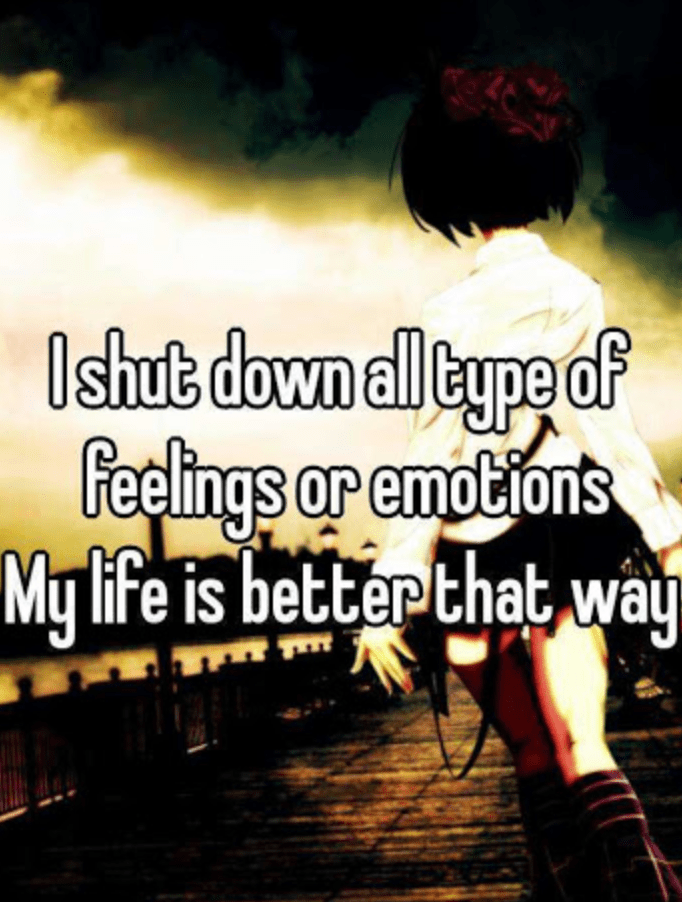
    I shut down all type of feelings or emotions My life is better that way
    or so I thought…

    I cant remember how or when I started to dissociate from my body. From my feelings. From listening to my heart.

    Probably from a time when it was unsafe to. Probably from a time when the needs it expressed as a toddler or child did not get responded to, or was scalded for.

    I didn’t know that it was known as ‘dissociation’ I just thought I was being clever, I was just doing what I needed to do to survive, I was just doing what I needed to to not be as hurt by the emotional abuse.

    What I do remember is the strength of my mind one time. On an early morning paper round late one winter/march time, I forgot my gloves, and I usually wore 2-3 pairs, it was the cold and wind chill on a bike… So, I remember thinking to myself that temperature was ‘all in the mind’ – and so, for the next 2 hours, cycling, folding and delivering newspapers I tried to focus my mind on things like warm fires, heat and sunshine, almost trying to block out to my mind the cold pain signals. To my surprise it virtually worked, until maybe the last 20 mins.

    Another time this occurred is that one piece of advice for cycling further is to listen to music, as it stops pain signals getting to the brain.

    The problem with both. Is that in the immediacy afterwards, I realised that my fingers were cold, in the hot shower afterwards… and also that my body after a 100 mile cycle could only endure so much blocking of the pain…

    Interesting.

    My body could only withstand so much of the blocking of the pain, when it was about the cold, or exercise..

    At the same time as blocking the cold on a paper round, I had been blocking the emotional reactions of the parent. I have done ever since. Just because im 43 and not 13 doesn’t mean to say that dissociation doesn’t occur even now, but it did last time 2 years ago.

    My mind took over, and knew it had a heart to protect, and my body went into a kind of dissociated paralysis in her presence. No you don’t get me to hug you back. You don’t get the me you damaged.

    What I also know I did was shut down my inner world, a world I am now discovering, but that’s for another piece.

    Dissociation is when you psychologically separate yourself from yourself. It can make you freeze up or shrivel inside, or even make you feel like you’re detached from your body

    Lindsay C Gibson, 2019 Recovering from Emotionally immature Parents

    Gibson goes on to say that dissociation is a ‘natural defence’ and can be any form of distancing from your conscious experience of yourself , being a primitive type of emotional escape and common defence against threat or danger, especially for children in an unsafe environment.

    There are costs to this reaction. But at the time its like coping with no gloves on a freezing cold day, its numbing the possibility of pain, and the pain itself.

    Its the proverbial deer in the headlights. The freeze.

    But in the moment it causes passivity. (The deer isn’t thinking much either)

    Recovering from this is to reclaim the action and power in the space- not to freeze, to ‘hang in there’ – and this is something I am working through. But for now, this is about recognising that surviving psychopathic parenting was a feat of natural strength, a natural shut off.

    Because

    When children discover how self-disconnect takes away pain, they use it for increasingly minor threats. After a while they can become strangers to their own inner experience, instead of just cutting themselves off from fear or hurt, all emotion gets so dulled that life itself feels a little unreal.

    Gibson, 2019, pp79.

    Yes.

    This.

    Living in my head, pretending, keeping the emotions at bay.

    In survival mode because of dissociation.

    Most, if not all of my childhood, and a lot of my adulthood to date so far.

    Discovering only recently through therapy what I feel – because I just dont or didnt know.

    Shut that bit off like headphones on a bike ride.

    Did everything to suppress the emotion.

    The body keeps the score though.

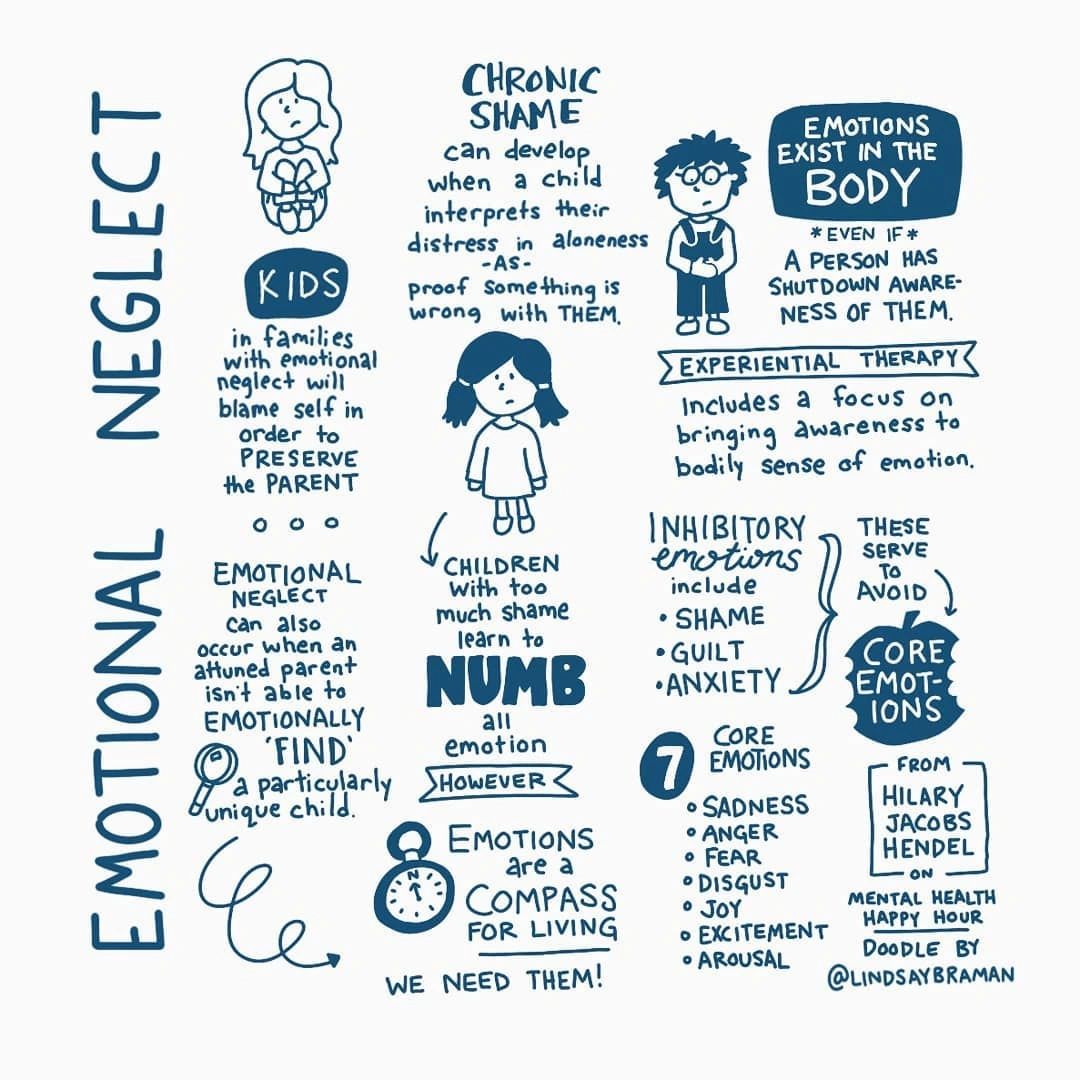
    Childhood Emotional Neglect: How It Can Impact You Now and Later

    Feeling shame, go numb

    Protect myself , freeze.

    Survival meant putting up the shield. One that doesn’t stop arrows, but tried to stop them going deep.

    Thank you for reading, links are above or to the right of the resources, the previous parts to my story, and also how you can support me, via the KO-FI site. Thank you

  • Surviving Psychopathic Parenting (Part 15):  Learning to walk small.

    Surviving Psychopathic Parenting (Part 15): Learning to walk small.

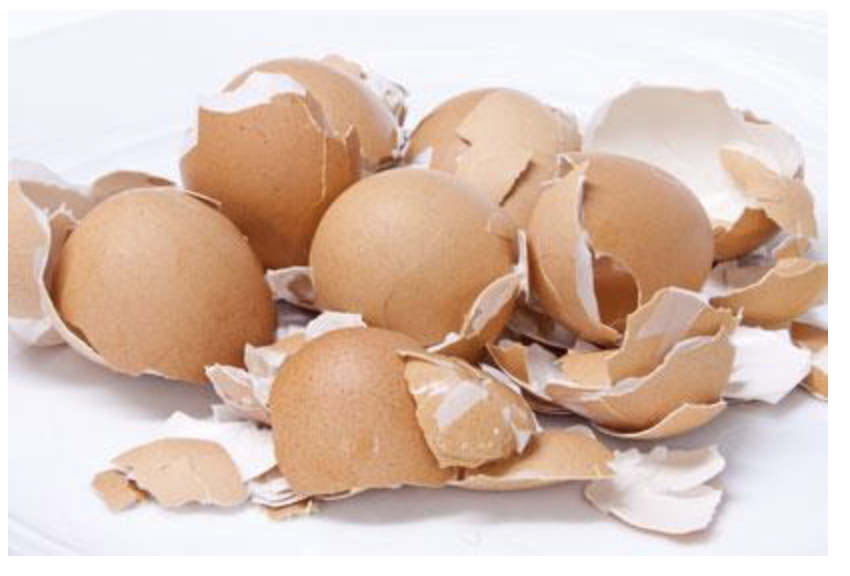
    The only way to survive navigating walking on eggshells with an abusive parent, or partner, is to make yourself as small as possible.

    In that way less of you can get cut on the sharp shells.

    Theres sometimes at least a few places to be able to walk safely.

    Sometimes.

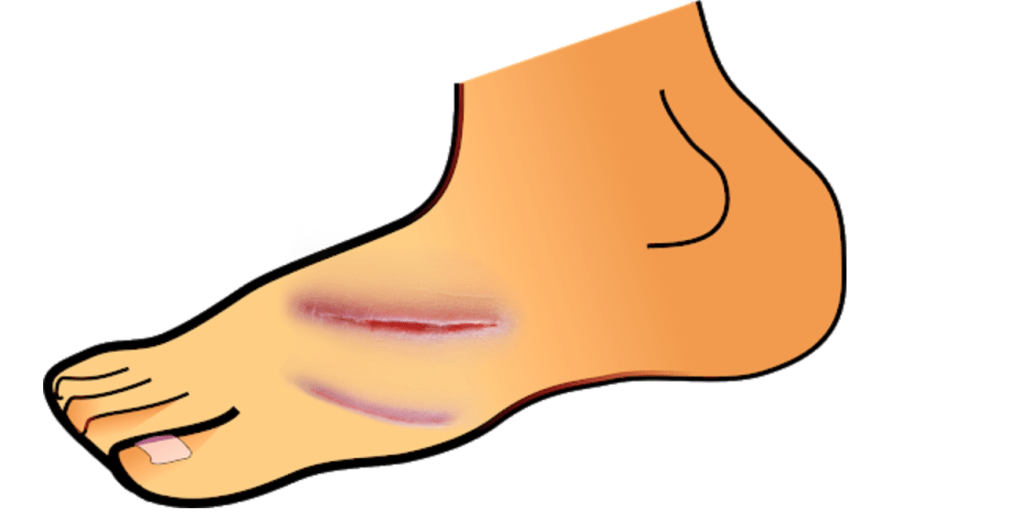
    Scrapes and Cuts

    When they bark instructions on the phone, at least its not to you

    When other people are around the house, if they’re mistreating them, with often toxic food and emotionally awful conversation, in that space you are safe, even if their false charm is that…false. They daren’t look like they’re a bad person.

    ‘Look at James, here’s my boy… ‘

    Cringe time. But at least it was safe.

    Surviving as a child, and a victim, meant working out when the safe places were, and being small the rest of the time.

    Small.

    ‘The Ballantyne men, are all so quiet’ She would say.

    ‘Its as if no one wants to talk’ she would say

    Staying small.

    Behaving, most of the time.

    Being the internaliser who didnt express needs – for the fear of being accused of being selfish

    But small, in that not being able to be me.

    Small in trying to be the person who was seeking anything, affirmation, validity, a voice.

    Small in that it was a place not to speak.

    Small in that it was a place to hide

    Small in that it was a place to only try and stay within what was safe

    Small in that it was a place to keep trying to get affirmation and recognition, by trying to please, trying to do the thing I thought they wanted.

    Small and survive was not to deliberately touch the eggshells, or ride the sore feet.

    Small meant inhibiting myself, because who can grow in a concentration camp? A literal concentration camp when you have to be on vigilance guard all the time.

    A concentration camp when the trapped had to soothe and pacify the enactors of punishment.

    Small, hiding away.

    Dont make a noise, dont be disruptive, dont make a mess…

    And yet, they make themselves feel like they’re just normal, so to justify it ‘ we’re just like other parents’ ‘its what parents do’

    Surviving meant staying small. Inhibiting. Hiding. Pretending.

    Small in so many ways.

    Giving space away. People pleasing. Codependant. All things I became and am reflecting through.

    Staying small, meant not being heard, taken seriously or be healthily supported nurtured.

    Its hard to walk when your feet are small, and ravished by eggshell cuts.

    Walking small meant having to think ahead, constant. Fear.

  • Surviving Psychopathic Parenting (Part 14): Hiding the Treasure

    Surviving Psychopathic Parenting (Part 14): Hiding the Treasure

    It wasn’t just the anger switch that I had turn off as a child.

    It was the happy joy one too.

    Its my job to bring you down to earth

    That Parent

    It was easier to hide that go through having to hear things like the following

    I need some of your joy, give me some of your joy

    So I didn’t bother.

    I didnt want the photo shoot when I won trophies at school. One because I couldn’t find the photographer, the other because it wouldn’t have been celebrated appropriately. Though the trophies did stay on the mantle piece for a bit too long.

    Fast forward to a graduation 11 years later and their presence caused me to only be on vigilance trauma mode, rather than celebrate. But they had to be there, it was their right. Apparently.

    They didnt know how to affirm or celebrate what I did well, or were envious of the good time I might have had without them. Envy when I did well, Envy when things were going well. Their claim on my success was the trophy child.

    But we knew it. One parent had to have the last word on the other parents birthday. Even making sure at his birthday party, they sang to her too.

    Surviving meant switching off the positives, as well as the negatives.

    Dont raise your hopes up James, even if you think she might be pleased for you, if you are happy, it’ll be tainted with something referring to her ego.

    Some emotionally immature parents actually envy their Childs success and social attention. Instead of being happy for their child, envious parents are ore likely to discount and minimalist their Childs abilities and achievements. These parents lack the maturity to vicariously enjoy other persons good fortune. In their competitive approach to life, a successful offspring threatens their spotlight

    Gibson, Lindsey C, 2019 Recovering from Emotionally Immature Parents

    It was easy after a while though. From about aged 14 I only fed them the essentials. What they needed to know.

    Surviving meant finding other people to celebrate with or not bothering.

    Hiding.

    It meant closing up the feelings. Protecting myself from the inevitable dead end type comments, the cut de sacs of emotional eggshells.

    When I knew that it would only be met with a self referential comment, or belittling, or comparing (to herself) , or something that seemed very false (praise), then they didn’t get the good news either.

    What she wanted to take from anything, everything I did.

    Over emotional if I did something wrong, Belittling or killjoy if something went well, or would want to take from it for herself.

    Maybe I did the text book thing, given that:

    Under these conditions, children of envious or jealous parents might learn its better to hide their talents or stay out of the spotlight so as not to tempt a put down from a competitive parent. Due to their parents envy and jealousy, success can be an ambivalent issue for these adult children

    Gibson, 2019, pp52

    Surviving Psychopathic parenting meant shutting down the good stuff too, knowing that it would be taken and used to meet her needs, or reveal her needs. Then I would feel guilty for being successful, or respond to that neediness.

    I wouldn’t say they were overly competitive, or maybe I didnt see it, but parasitic yes.

    Ultimately they only saw themselves, so it was easier to try not to be seen.

    But on other occasions it was just that knowing that having a smile on my face after being somewhere, or with someone, or doing something I enjoyed was about to be shot down. So there was no conversation.

    And equally, if she found out, they’d be trouble too. Or ‘He never tells us anything’ – as if theres no awareness of why they wouldn’t have been told.

    It meant learning to hide. Hide the treasure of the good parts of my life.

    Protect myself, and protect the memories, and protect those good bits.

    Thank you for reading, do like and share with others who you think might find this blog or the website helpful, parts 1-13 of my story are in the menu above.

  • Telling my Story

    Telling my Story

    I have always known that writing has been my favoured way of communicating my story

    And I was putting off trying to verbally get it out, and saying no to interviews, podcasts and live shows.


    But I did it, this week I started verbalising and sharing my story. Responding to questions from Christelle in Episode 11 of our Ponderings series.

    If you’d like to watch my first interview the link is below

    Thank you for your ongoing support, for watching, and I hope it is useful.

    That my learning, healing and journey becomes part of your own survival story.

    Click here to watch

    If you’d prefer to listen to the Podcast of this episode you can do so here, via the Anchor app> Episode 11

  • Surviving Psychopathic Parenting (Part 13) Accepting the accusations of selfishness

    Surviving Psychopathic Parenting (Part 13) Accepting the accusations of selfishness

    Don’t you be so selfish

    You were such a spoiled child, I had to get that out of you

    Don’t you even dare even ask for that

    You need to think about things from my point of view

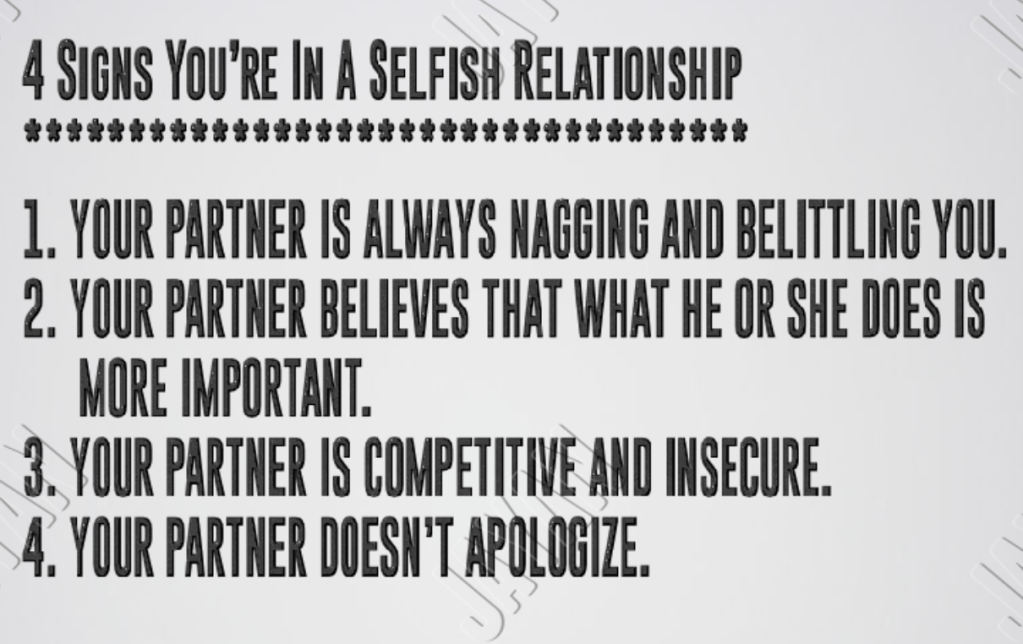
    Ultimately there is no avoiding this, with psychopathic, emotionally immature parenting, or a situation of emotional abuse, it’s the shame and accusations of selfishness that will get you in the end. The above applies to parents too, though you cant divorce them.

    They got me.

    Its funny when I think about it, The very thing the abusers cant do (think of others) is the very thing they accuse you of not doing, when you do it all the time.

    So what are they saying.

    Don’t you dare think about your own needs

    Or

    I am going to control you into doing what I ask, by making you feel shame.

    Emotionally immature people want you to jump when they call.

    They want you to rescue them.

    I was the rescuer, as I’ve written before.

    Terrified to say no as a child if that parent needed me.

    ‘No’ was harder than pretending.

    ‘No’ was harder than going through the motions

    I was accused of selfish if I didn’t meet their needs

    They were jealous if I met the needs of others. Furious even.

    They came first. It was their right and entitlement.

    A Childs dependency often irritates the self-involved parent. Preoccupied with their own issues, Emotionally Immature Parents can be short tempered and react to their Childs needs as if the child had done something wrong. Those parents make their children feel bad for having needs and thereby making the parents life harder.

    Lindsay C Gibson, 2019, pp41

    Surviving meant not having needs.

    It meant not disrupting the apple cart, or daring to crunch the eggshells

    It meant not asking, not requesting.

    Which is funny. Because unless we asked we didnt get, but often shame for asking (because I was at risk of being spoiled)

    This meant going without. Because there was no point in asking.

    I didnt go to them. For anything.

    I acted as though I didnt need them.

    I didnt even need them or go to them when my marriage fell apart.

    Better to hide.

    If you were treated in this way as a child, you may still feel ashamed for having problems or needing help

    Gibson, 2019, pp41

    Yup.

    Survival of the least neediest.

    Survival Alone.

    Knowing that any request to ask would be met with accusations.

    Knowing that any gift would be attached with manipulative strings

    Because they didnt give without strings, or give at all, then the threat of the accusation meant not going to them.

    Shame devastates.

    Action for Happiness

    I didnt bother going to them, my task was to comfort them.

    There was no way I wanted to be thought of as selfish.

    Especially someone who wasnt selfish at all. For some reason I had already learned to put others peoples needs first. Strange how I might have learned that.

    Such powerless anguish impels children to do something -anything- to make their parent respond to them. Thats why young children so often have meltdowns over seemingly insignificant things. They cant keep themselves together in the absence of supportive parental attachment.

    Gibson, 2019 p42

    I held my breath aged 2-4. Those were my meltdowns. ( I wrote more about these in the last part)

    Surviving Psychopathic parenting meant accepting the accusation. It meant accepting it and getting on with life without. It meant being learning to cope completely alone. What parent would give a snake, when a loaf of bread was asked for, said Jesus in Marks Gospel, well, some evangelical psychopathic parents shamed so much that I wouldn’t have even ask.

    Its ironic then that when they shamed for asking, they just take.

    You're not being selfish for wanting to be treated well. Remember that. -  BossBabe™ on Instagram | I don't own this image

    Thank you for reading, this is part 13 of my story, parts 1-12 are here

    Please do like and share this, and my other posts if its the kind of message you know will help others, there are a number of resources in the menu above too, and if you’d like to support me on this healing journey, please do click the link to the right too, thank you.

  • Healing Dreams

    The Problem was that with just under a month to go until the exams and every free moment was crammed with information, when he (Harry) went to bed he found it very difficult to get to sleep at all, his overwrought brain presented him most nights with stupid dreams about his exams

    (Harry Potter and the Order of the Phoenix, JK Rowling, p630)
    Dreams: Causes, types, meaning, what they are, and more

    What are your dreams like?

    Do you dream in black or white or colour?

    Do you see yourself, or are you yourself in them?

    How often do you dream?

    I realised that for 30 years of my life I barely dreamt. I realised this about 2 years ago, when I had a dream. Until that point, I dont remember having more than one or two dreams for years.

    The Common dreams I had as a child were anxiety dreams. I only disclosed this to someone I felt safe to do so a few years ago. Many of my childhood dreams involved me reappearing at the events of that evening, but doing so completely naked. Then realising I was naked in the dream. It would often be on a Monday evening, after Scouts.

    Then again.

    There was another dream. A nightmare I had, as a family we’d watched the film The 39 Steps, I must have been about 6 or 7 , that night I had nightmares about falling off Big Ben.

    As a result my parents then teased me when ever we watched films in the future, and ‘whether I’d have a nightmare’ over it.

    They were the clearest dreams I had, until recently.

    From the age of 13 though, I haven’t allowed myself to dream. I have filled my mind, a bit like Harry, with the all consuming tasks of school, of exams.

    Then of over thinking.

    and theres the emotional anxiety of the childhood home, walking on eggshells.

    Of being responsible. Of taking the blame.

    So I didnt allow myself to dream.

    For another 15 years I pumped more stuff into my brain. Two degrees and the reading in between, whilst experiencing emotional abuse in the marriage too. Complicated by the continued emotional trauma of the parents.

    Sleep meant listening to podcasts to get to sleep. Drift off to the voice of calming human beings talking about their movies. Avoid the silence. Avoid the dreams. Keep thinking. Keep sleep and dreams at bay.

    By avoiding sleep, I was avoiding dreams.

    I didnt dream at all.

    I dissociated from them. Had to keep hiding my true self.

    Until 2 years ago. When I could relax, and feel safe.

    Deep sleep and REM sleep play an important roles in how our memories change over time. The sleeping brain reshapes memory by increasing the imprint of emotionally important information while helping irrelevant material fade away

    Dreams keep replaying, recombining and reintegrating pieces of old memories for months or years

    The Body Keeps the score, Bessel van Der Kolk, 2014, pp260

    My Therapist said to me that knowing that I had started to dream, and have dreams that had my parents in them, was a sign that I was healing.

    A sign that my brain, my memories knew that I was in a safe place to start to work on them. To reveal themselves to me.

    Dreams Heal.

    My dreams have been showing me some of the old stories and memories.

    My inner self is being allowed to see them.

    Im not trying to run away from the terror any more.

    Im dreaming so much, ands with such vividly that im writing them down.

    Most of my dreams are showing me something, telling me something.

    But the process of having them is healing in itself.

    From a time when I didnt want to dream.

    Now I know that this is part of my healing.

    Harry Potter, I get it. Its what I had done for years. Over thought, also lived with trauma for decades, and so wasnt able to dream.

    Healing dreams

    If you’re not allowing yourself to dream, it might be time to ask yourself why.

    If you dont feel safe to dream. This could well be a sign that something needs to change for you.

    Theres a number of articles on the links between dreams and trauma, and some tips on dealing with nightmares that affect sleep, one of them is here

  • 6 months of Healing for Men; Thank you

    6 months of Healing for Men; Thank you

    I thought I would write a short piece to thank the many of you for encouraging me as I have written my story in the last few months. I was hesitant even to start this blog 6 months ago, and I cant believe im nearly at 50 posts on it, what I am even more amazed by is that I have been able to share more personally of my own story. This blog has certainly felt more like ‘Healing for Me’ than ‘Healing for Men’.

    And. The story I have told about me, isnt just for Men.

    In 6 months of starting this blog. I have had over 4000 views of it, but more importantly a significant number of people have contacted me, or contacted people who have shared these blogs to say that they have helped them realise and reframe what they were going through. For this, I am so so encouraged, and grateful.

    A number of themes have emerged in the process of this blog starting, I have undergone a bout of trauma therapy, and began to develop an inner awareness of my inner child, I have read books on trauma and I have begun Yoga. This month I have got through 4 significant dates in my year that cause me to reflect on the no contact relationship I have with my parents.

    Theres healing in writing. I wonder if thats something you have done too.

    Maybe also, Its not up to me to try and work out what ‘healing for men’ looks like, or try and suggest what that might be. Its not up to me to fix or rescue. Ultimately Im writing because these are reflections and observations I am discovering, mostly discovering about myself, my past, the cultures, I grew up in, the person I became during it. Some of these things will resonate with you, some may not, and thats ok.

    So its a quick thank you from me, for being part of this journey so far, for encouraging me in the writing, for listening to my story, for sharing with others. Healing is going to take all kinds of pathways and all kinds of speeds and processes, life is too short for us not to be our true selves, healed and whole.

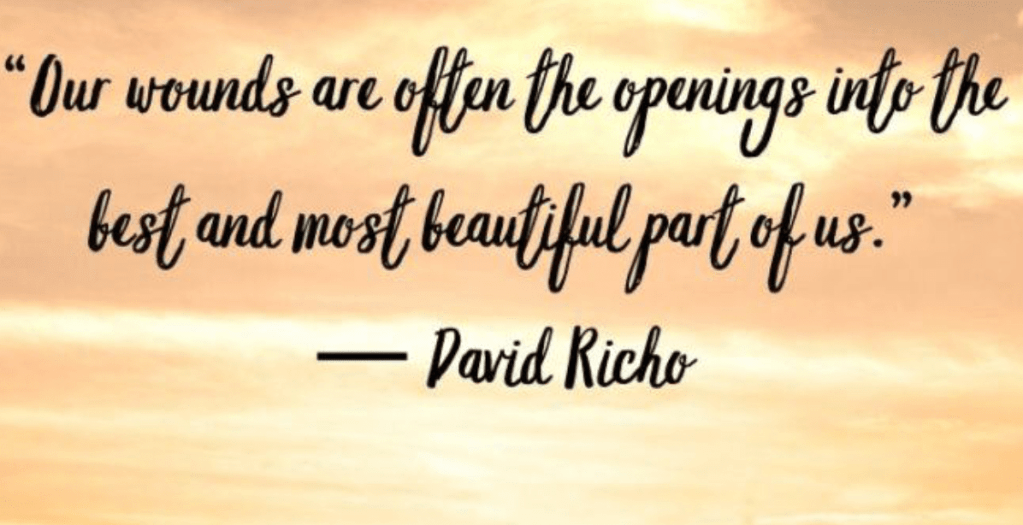
    14 Beautiful Quotes about Healing - Be My Travel Muse
  • Surviving Psychopathic Parenting (Part 12) Turning off the Anger switch

    Surviving Psychopathic Parenting (Part 12) Turning off the Anger switch

    What did ‘Anger’ look like for you as a child?

    Were you an angry child? How did it reveal itself?

    What ‘relationship’ do you have with the emotion of anger?

    In this 12th part of my survival story, I am going to talk about switching off my anger. (For the previous parts, do look up the menu above)

    I remember once the TFI Friday host Chris Evans tried to explain his relationship with Anger after being berated in the press for his frequent explosions. He tied up a small fuse to a small chocolate cake and blew it up, making a small mess. Then he compared it to a very very long fuse that led to a very large cake and then lit the fuse. It created a large mess. He was making the point that a small fuse and a small cake made a small mess, that holding onto anger could lead to a large explosive mess.

    I watched that sometime in the late 1990’s, in my late teens. I remember then thinking that I had neither. Neither fuse, nor cake. Maybe fuse, but no cake. At that time I couldn’t ever recall there being a cake, at 19 I couldnt recall being angry, but thought that was a good thing at the time.

    I wasn’t angry when I was mistreated by people.

    I wasnt angry when I was bullied in workplaces

    I wasnt angry when I was bullied in relationships.

    That was something I had learned since being a child.

    I cannot remember when it was, when was the last time I got angry for the sake of my own cause?

    not the cause of others and injustice, but for something relating to myself?

    At some point in my childhood I gave up being angry.

    Maybe more to the point, I realised it was pointless. The dominant emotions of my childhood revolved around self -loathing, guilt and shame, I wasnt angry. I had given up on that a very long time ago.

    You can’t be angry and try and navigate a psychopathic parents eggshells at the same time. You’ll make them explode.

    I was told not to raise my voice to them. Not to talk back to them.

    Not to make them angry. Not to have or express needs.

    So where might there be any space to be angry.

    It was just survival.

    There isn’t space in a home with an emotional, emotionally immature parent for more than one person to have the emotions.

    I just cant remember ever being angry.

    Im trying to think, was I angry elsewhere. Probably not, I was the quiet one on the football pitch, hated raising my voice, didn’t shout when the team lost a goal, just couldn’t show it.

    But.

    I know that I was told that I was spoiled. I know that as a toddler I held my breath and turned myself blue, I was told this was because I didnt get ‘what I wanted’. Maybe it wasnt this. Maybe it was emotionally unsafe and I knew it then. Maybe I wasnt heard or listened to, and I needed to control the space at the time.

    But I was told I was spoiled, and so ‘how dare I’ try that again. Maybe that was the last time I was angry to defend myself. Aged 2.

    Because I internalised the responsibility of rescuing the psychopath parent, what would there be that I was angry about? Anger was pointless.

    I gave up being angry. At the same time I gave up on myself.

    Switched off that emotional brain.

    Closed up. Went into the survival zone.

    As a result, closed off all the emotions. The happy positive ones too. Thats what happens when walking on emotional eggshells all the time.

    Wasnt my real, my inner self.

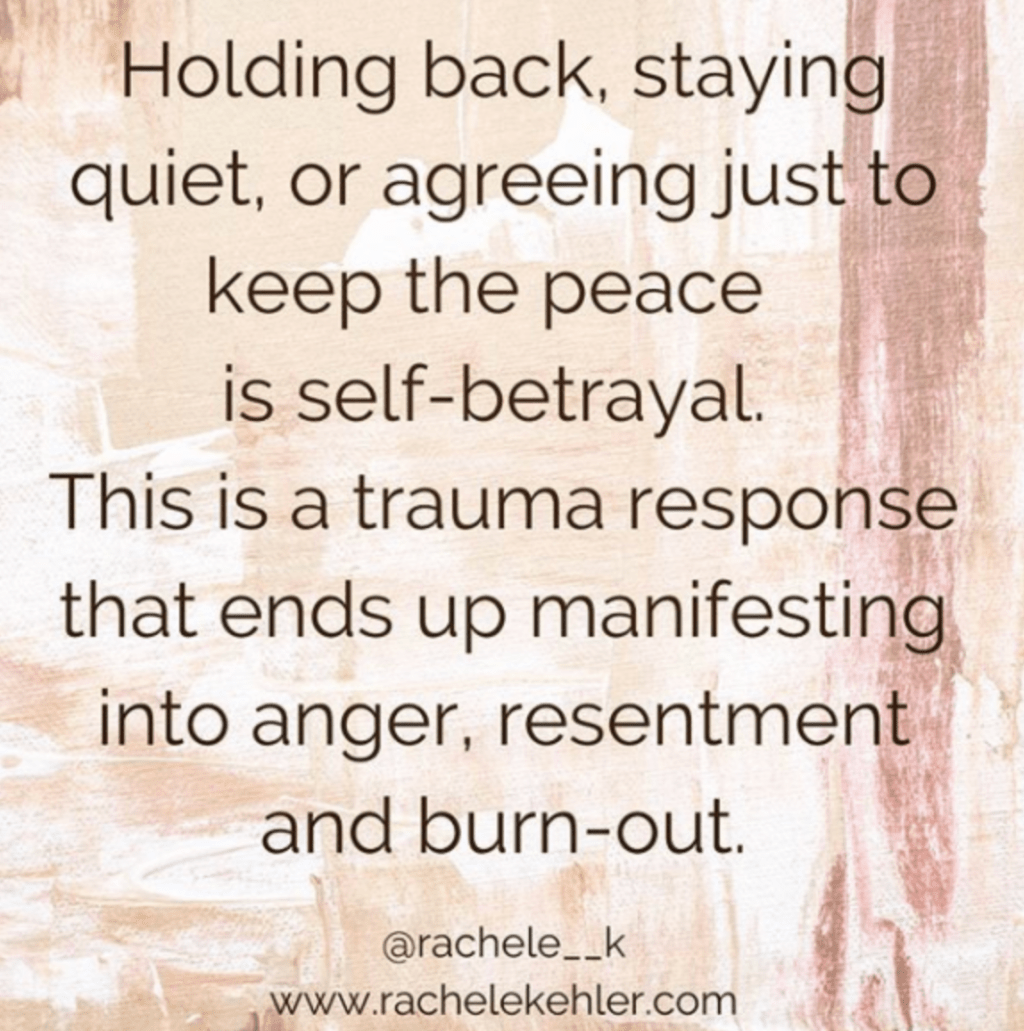
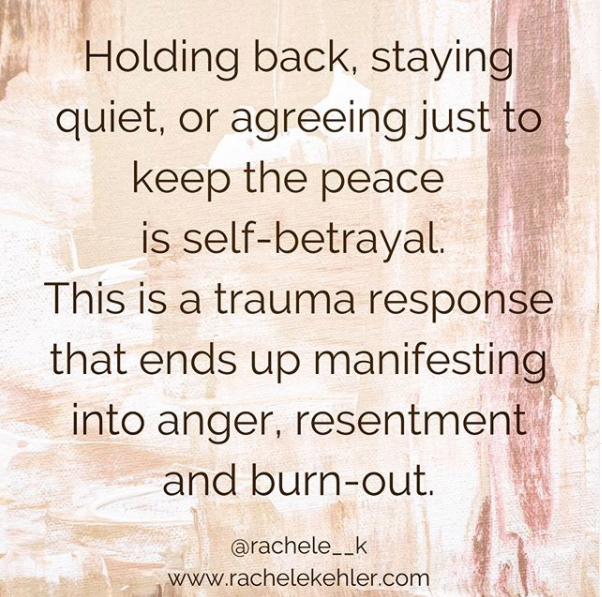
    Could Self-Betrayal Be a Trauma Response?

    I know now that its ok to be angry. But that doesn’t mean I am able to express it. I know now that getting angry can mean so many things, from unmet needs, grief and boundaries being crossed. But that still doesn’t mean that I am able to feel it.

    I know that I have something to defend, protect and value, myself, in a way that I haven’t ever before, so just maybe I will be able to express healthy anger.

    Switching off the anger switch may well have been something I had to do to survive psychopathic parenting, and switching anger off has affected me in many ways ever since. Through being in a safe emotional place, and the healing journey through therapy maybe I am more likely to have moments of being angry, for the reasons above, then before. But its definitely something thats not a natural thing.

    And if it emerges its likely to be a medium to long fuse and a small cake.

    Surviving meant switching off the anger switch.

    Another name for Represse... | Quotes & Writings by Gustavo Duran |  YourQuote