Tag: eggshells

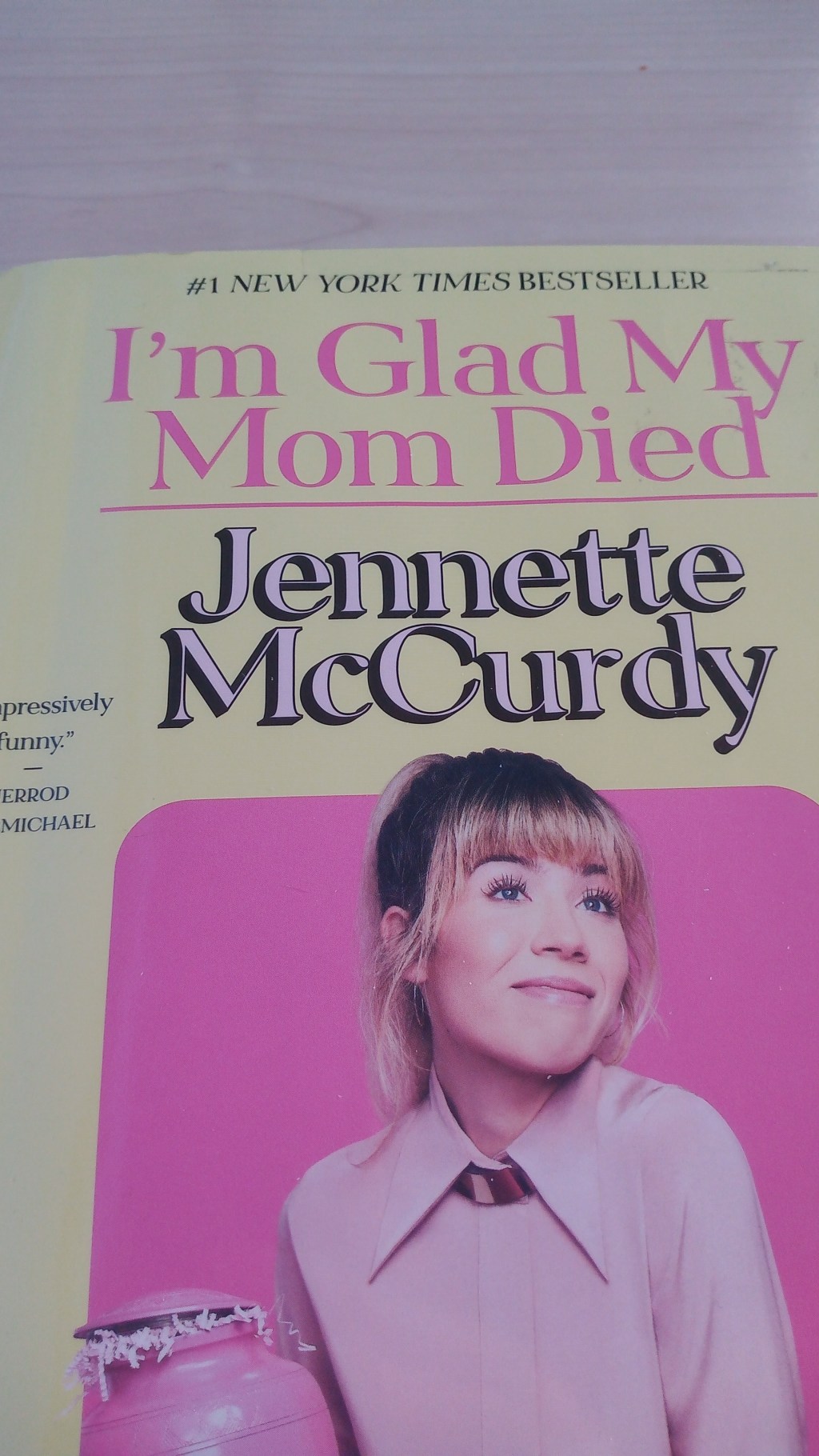
  • I’m Glad my Mom Died

    I’m Glad my Mom Died

    ..is a raw, heartfelt, inspiring book.

    It’s about the way in which the unconscious expectations are placed on a child, it’s the story of how a child, then teenager, Jeannette McCurdy, has to resist growing up to maintain the fantasy of her mother, whom she adored, of being an actress.

    I have read many books on parents and narcissism, but this is the first book I have read that describes the story of what the child had to do, and the effects long term.

    There’s much in the book that I can relate to, there’s much that I have seen in other situations too.

    If you want to get an idea of the damage emotional and coercive abuse, by a mother, can do and looks like, and how it sits under the radar of criminality, but is wholly self absorbed and destructive, then this is it.

    It’s telling that the behaviour in the book has generational patterns, the grandmother was a similar whining moaning complaining woman. The men got all the blame (not doing enough, not meeting their needs, aloof, blamed for affairs to disorientate as the women were actually having affairs.. I’ll not tell spoilers) , the women sat aloof , controlling them all.

    The thread of the mother’s perpetual victim story, of having and surviving cancer runs through. This story is forced down her own children’s throats on home videos, and used as a lever to get acting roles for Jeannette, ‘tell them your mum survived cancer as part of the audition’ is often directed.

    The effect on Jeanette is continual people pleasing, pretending, orientating her entire life around not upsetting her mother,(who was always liable to cry, get angry, scream ‘ungrateful’ , or be disappointed) at any or regular occasions. Jeannette is on emotional alert all the time, in a life that until near the end of the book is not hers, but her mothers.

    Jeannette takes on, since childhood, the emotional regulation of her mom, as the one who can soothe her, who can make her mum happy, yet.. to keep the relationship and Jeannette in her mothers orbit, nothing, not even a good audition or making a part is good enough. So Jeannette is perpetually emotionally exhausted, and notably is comes as a shock in her mid twenties that she can think of herself also. But by this time she is high on alcohol and the effects of 12 years of eating disorders.

    Im glad my mom died is raw, it’s funny at times, and I found myself cheering Jeannette on for every healing conversation with a therapist and every step forward she was making, yet the catalogue of abuse and those who could take advantage of her extended beyond just her mother, which isn’t surprising.

    It would be easy to dismiss this book as only being relevent in the culture created by child acting, the media and production companies, but it is easily relatable to other organizations and cultures, especially with a high performative, high expectation , moral expectation. The fact that Jeannette also experienced a high rigid culture of Mormonism and it’s expectations, and it’s associated shame, is a pointer. It’s interesting that Jeannette mothers pulled her away from church, as also projecting criticism of them to Jeannette, causing Jeannette to not continue to go, and feel the shame. Jeannette mom was just invalidating those who might be critical of her to her daughter.

    What I like too is that Jeannette doesn’t use the N word until the very end of the book. But what she describes throughout is her experiences, as they are, the treatment and behaviour she suffered, and her responses to it, so that when she uses the ‘N’ word (Narcissistic) is carries all the weight. Again, those of us who experienced then normalised, then survived in and amongst this will likely get this, how the naming of it heals, but also the categorising hides the varieties of behaviour behind it. It reminded me of when I first read the pink book – the words I discovered were ‘self absorbed’ or as in Lindsay Gibsons books, ‘Emotionally immature’ rather than the oft-banded around N word. But when we learn the terms having suffered it, we know.

    I was warned that I might be triggered by the book, and maybe that warning meant that I read the book prepared for what it may do. Yes, there are some aspects I relate to, high expectations, perpetual victim, emotional eggshells, at least, there are some differences, not every abusive mother looks or is the same.

    Some are more covert, some overt

    Some rely on victimhood, others entitlement

    All have prey and supply, all divide, all use people as extension of roles, none take any responsibility, all create drama.

    I’m Glad my Mom Died, is one such story of the effect of one type of narcissistic abusive mothers, it’s relief to those who’ve experienced something similar (to know we’re not alone) and insight to those who start to see the patterns from this example.

    Cheering you on Jeannette, keep on going putting yourself first.

    Im Glad my Mom Died is available here

    Thank you to my new Daughter in Law Meghan for recommending this book to me, much appreciated, and to my lovely Christelle for transporting it across the pond.

  • Surviving Psychopathic Parenting (Part 15):  Learning to walk small.

    Surviving Psychopathic Parenting (Part 15): Learning to walk small.

    The only way to survive navigating walking on eggshells with an abusive parent, or partner, is to make yourself as small as possible.

    In that way less of you can get cut on the sharp shells.

    Theres sometimes at least a few places to be able to walk safely.

    Sometimes.

    Scrapes and Cuts

    When they bark instructions on the phone, at least its not to you

    When other people are around the house, if they’re mistreating them, with often toxic food and emotionally awful conversation, in that space you are safe, even if their false charm is that…false. They daren’t look like they’re a bad person.

    ‘Look at James, here’s my boy… ‘

    Cringe time. But at least it was safe.

    Surviving as a child, and a victim, meant working out when the safe places were, and being small the rest of the time.

    Small.

    ‘The Ballantyne men, are all so quiet’ She would say.

    ‘Its as if no one wants to talk’ she would say

    Staying small.

    Behaving, most of the time.

    Being the internaliser who didnt express needs – for the fear of being accused of being selfish

    But small, in that not being able to be me.

    Small in trying to be the person who was seeking anything, affirmation, validity, a voice.

    Small in that it was a place not to speak.

    Small in that it was a place to hide

    Small in that it was a place to only try and stay within what was safe

    Small in that it was a place to keep trying to get affirmation and recognition, by trying to please, trying to do the thing I thought they wanted.

    Small and survive was not to deliberately touch the eggshells, or ride the sore feet.

    Small meant inhibiting myself, because who can grow in a concentration camp? A literal concentration camp when you have to be on vigilance guard all the time.

    A concentration camp when the trapped had to soothe and pacify the enactors of punishment.

    Small, hiding away.

    Dont make a noise, dont be disruptive, dont make a mess…

    And yet, they make themselves feel like they’re just normal, so to justify it ‘ we’re just like other parents’ ‘its what parents do’

    Surviving meant staying small. Inhibiting. Hiding. Pretending.

    Small in so many ways.

    Giving space away. People pleasing. Codependant. All things I became and am reflecting through.

    Staying small, meant not being heard, taken seriously or be healthily supported nurtured.

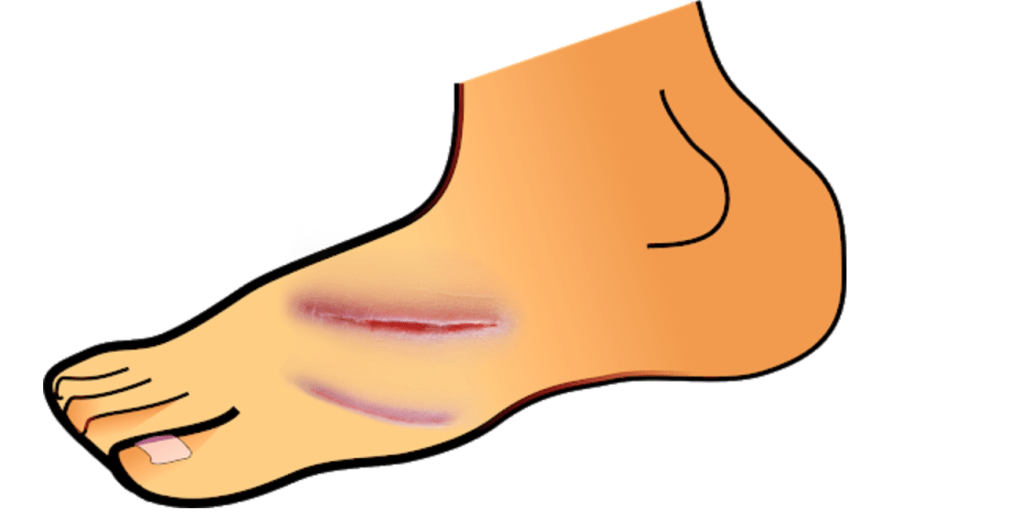
    Its hard to walk when your feet are small, and ravished by eggshell cuts.

    Walking small meant having to think ahead, constant. Fear.

  • Surviving Psychopathic Parenting (Part 4) – Asbestos feet; From Eggshells to Empathy.

    Surviving Psychopathic Parenting (Part 4) – Asbestos feet; From Eggshells to Empathy.

    Thank you for reading, this is part 4 of my survival story, do check out parts 1-3 in the menu to the right, though each part can be read separately. This one may contain details that could trigger. 

    Growing up with psychopathic emotionally immature parents allowed me to develop asbestos feet, with all the walking on eggshells that I had to do.

    Now I know, if God had desired that we were to find asbestos feet useful maybe we would have been created with them, so maybe they are more a product of how the human child adapts to survive in such unnurturing circumstances.

    Using eggshells to remove toxic water pollutants | News | Chemistry World

    I had soft feet. Eggshells hurt. Like they would do if they are stood on.

    Apparently I had to toughen up, and develop proverbial asbestos feet, by the very person who was relaying the floor with a layer of eggshells to walk on.

    Sometimes there’d be a bomb in and amongst the eggshell too, or a place of glass, just to cut deeper, all just to ‘help’ me to develop ‘thicker’ skin.

    Given that I had no choice as a child, its loyalty or punishment, then, I learned to pretend, to fake agreeing, agreeing to being the role that was compliant, and trying to navigate a pathway full of emotional eggshells and explosives, that sometimes went off, other times just the fear of them was enough.

    Its one thing advising people how not to walk on eggshells when you’re at work, but what if thats your entire home existence, you might as well have been born with asbestos feet, because they get to be needed pretty early on.

    My Psychopath parent was of the emotionally fragile and unpredictable variety, in this post I share the 12 common features of emotionally immature parents, taken from Lindsay Gibsons book.

    If other people are getting more attention, they find ways to draw attention back to themselves, such as interrupting, firing off zingers that get everyones attention, or changing the subject. If all else fails they may pointedly withdraw, look bored or otherwise communicate that they are disengaged – behaviours that ensure that the focus stays on them. (Lindsey C Gibson, Adult Children of Emotionally Immature Parents, 2016)

    What you get to realise is that the eggshells appear when they are not centre of attention. When you have to ask for something, when you might want to disagree, when you try to put your needs first

    I learned not to bother. Any time I did was met with emotional outburst.

    Survival just meant growing asbestos feet, and wearing bomb proof clothing.

    Emotional shielding from the impending storm. Fear. Terror. Because you just know that a bomb had gone off, and one will go off again.  So dont dare upset them, just keep the peace, dont rock the boat, tip toe around them. Comply or hide.

    When emotional parents disintegrate, they take their children with them into their personal meltdown. Their children experience their despair, rage or hatred in all its intensity. Its no wonder everyone in the family feels like they are walking on eggshells. These parents emotional instability is the most predictable thing about them. (Gibson, 2016)

    And as the following indicates, it may not be in the workplace that some of you saw this in my parents. Though, I am pretty sure they didnt hide it very well. They left a trailblazer of shocking behaviour everywhere, and when challenged would not be able to see it as shocking. In which case it wouldn’t really matter if they were in a professional role in which character was important, like being a vicar for example, as long as in their job they could hide it…

    Their fluctuating moods and reactivity make them unreliable and intimidating. And while they may act helpless and usually see themselves as victims, family life always revolves around their moods. Although they often control themselves outside the family, where they can follow a structured role (not always I might add) within the crucible of intimate family relationships they display their full impulsivity, especially if intoxicated. It can be shocking to see ow no-holds-barred they get. (Gibson, 2016)

    However, my survival story is about me.

    As a result of this, I learned to put other people first, and my needs firmly second, or third. Though, that doesn’t stop emotionally immature people of accusing me of being selfish (when I might dare to put my needs first).  Learning how to navigate eggshells is about attuning to the needs of the other, attuning to the emotional cues of the most emotionally fragile in the room, responding to the needy. It’s codependancy. But thats what I had to do to survive, forgo myself. Because even though I should stand up to other people when they bully, the full force of victimhood, shame and loyalty would emerge if they were stood up to.

    Being overly attentive to other peoples feelings and emotions is no bad thing.

    Actually yes it is. That could end in empathy enmeshment.

    Being attentive is no bad thing, its about having empathy that seeks to understand, and compassion that enables that person to make their own decisions in the actions to alleviate their situation.

    Telling our story is about putting me as the main character of this, not the other person. From Eggshells to empathy, how I learned to be who I am, in the way I am from the start I was given.  It has taken me a very long time to actually put me first. Part of surviving trauma is to narrate the story of and see it for what it is and was, and becoming aware of how I survived and what resources I used to be able to. Developing rubber feet to walk on eggshells, when there was no sledgehammer to crush them smooth, a new layer would be put down.