
One way of surviving psychopathic parents was to become immersed in the world of trainspotting.
The drugs, alcohol and destruction, and why I resonate with this 1996 film

Though I joke somewhat, reacting to emotional abuse can easily easily end in a life that is filled with the destructive elements, that this film was renowned for.

It is not the trainspotting I mean.
The trainspotting that helped me survive psychopathic parenting was more of this variety:

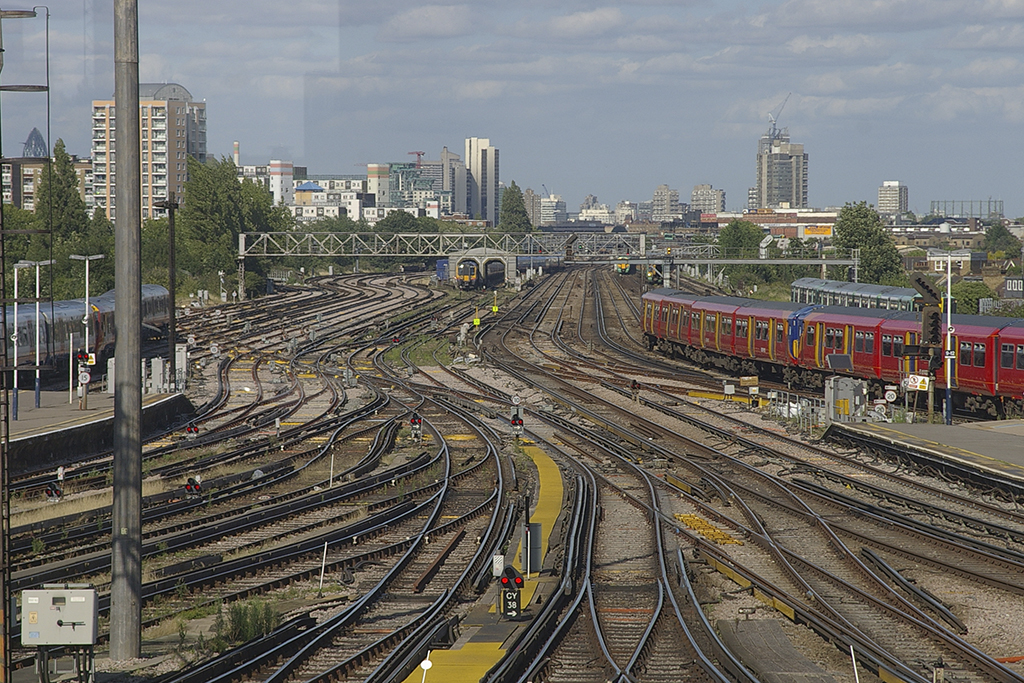
When I was staying at my grandparent house in the south of England, going to railway stations and watching these and others speed through the cacophony of busy commuter stations like Clapham junction or Redhill, or ones like this from my own home in the midlands, the class 47s around the curves of the midland main line

as they sped past the line at the bottom of my street and from my outside window, and more latterly in the mid 1980s, the Intercity HSTs..

If researching the history of 1980’s EMU (electric multiple units) and class 47 and 43’s is not your thing, which I dont expect it to be, then thats ok, aside from the noise, the speed and the energy of these metallic beasts, the thing that trainspotting channelled in me, and also helped to create, was my sense of observation and perception. I discovered I was able to read the numbers pretty quick, I could see from a distance the train on approach, I could hear the rails vibrating (they’re nearly always vibrating at Clapham) , but, you just know when the train is approaching, as well as this, the ‘OFF’ light comes on at a station, the staff get out onto the platform, passengers swell it too.
I was as enthralled by the process of the trains, as the numbers on them. The journeys, the routes, why some stopped at what station… and beyond attuning my sense of perception, trains were safe. Busy railway stations were safe, quiet ones were safe, trains were safe, they still are.
So not only did I like to know how things worked (see Part 2) I became naturally observant, vigilant even. I joined in the ‘grown up’ spaces, often quietly with a book, so that I could keep an eye on what my PP (psychopath parent) was up to, or played toys near to the dining table, waiting for an inevitable family bust up that she initiated, and then would need me to cry victim into my shoulder. Because this was expected, I would stay close to the action, knowing that it was about to happen.
There were other occasions too, staying alert, and working out whose footsteps were walking towards my bedroom door (though they had to, my room was next to the bathroom), though more than often my Psychopath Parent would be announcing herself with constantly making noise, humming, singing, dominating.
Developing a higher than usual sense of danger awareness, or hyper vigilance, is common in those who have to deal with emotionally immature parents, from an early age I clearly knew that I needed to be on my guard, aware and preparing myself for the next blow.
Doesn’t everyone have to be vigilant of their parents behaviour? is this just normal?
I dont think I stopped to ask this question at the age of 8, but thats part of what I did and had to do to survive. It was never possible to stop their next move, or intercept it, though I do remember trying to on some occasions, theres only so much an 8 year old can do, when cast in the role emotional rescuer in my parents drama, best to be around to know when the role needs to be fulfilled.
I used to wonder why it was that I was good at the parts of detached Youthwork that involved having an awareness of safety, their movements and vigilance, and why I am good with knowing where I am, directions, and place, and now its no surprise that I can detect the movement of birds out in the fields or river banks.

In ‘The Body keeps the Score’, (Kolk, 2014) outlines the processes in the brain that occur during this vigilance phase, the heightening of emotion, heart beat and arousal. It is like the proverbial train arriving at the station at speed, being on the platform waiting for that moment. And then it subsides at the intercity train leaves view and heads to London or Leicester. Then it is calm for a while, the platform empties.
And that’s the difference, Clapham Junction was like living with a Psychopath, the trains were constant, I remember going a few times and it was extraordinarily tiring, yet it was the station I wanted to go to, it was too busy, 3 trains in less than a minute at times, too much for a child to process, was there such a thing as too many trains.. yes.
Oh God, here comes another one, get ready..
Surviving psychopathic parents is like being on Clapham Junction station, being on guard all the time, being alert all the time, and theres trains arriving from all directions, when its difficult to get onto the right platform to get a good view of everything thats going on. (This is also why I like to sit in the corner seat in a coffee shop, and its that I like to know what’s going on, I’m not frightened by other people, I always knew that none of them posed the same threat). At least on Clapham junction the worst that could happen to me was missing a few numbers, whilst I could be vigilant for the next emotional reaction from my Psychopath parent, I didnt, and wouldn’t have expected to, have the emotional awareness or skills to deal with it, ultimately, though, the problem that they were likely to create, was about to become a problem that everyone else would have to fix. (Gibson, Lindsay C, 2019, p71)
In their presence is like Clapham Junction Railway station.
Whats one thing that I needed to survive? That sense of vigilance, being on guard. What I realise, and now know, from the book, is that its only when you can stop being on guard that you can heal. I was so used to being on guard, vigilant, that its only been in the last few years and in a safe place, that I could stop, and take a break. There was no incoming anger, emotion, unpredictability, or eggshells (see the next part) or mine fields to navigate.
What I didnt realise, until very recently is that I could operate in life without needing that switch on.
What I didnt realise, is that it wasn’t normal to not need to be vigilant.
When I moved into my flat 18 months ago, actually when I walked into it, empty with the agent 3 weeks prior, I felt safe, home, relaxed. It was from that point onwards that I knew I could heal, because I could switch off the vigilance valve, enjoy looking at the birds, the sea and the odd train that now goes by my window. Healing is more likely when in a place of safety, when the vigilance valve can be switched off. I just thought I was being perceptive, aware and observant..and I was, but what I now know is that that was part of how I survived.
 James Ballantyne
Leave a comment