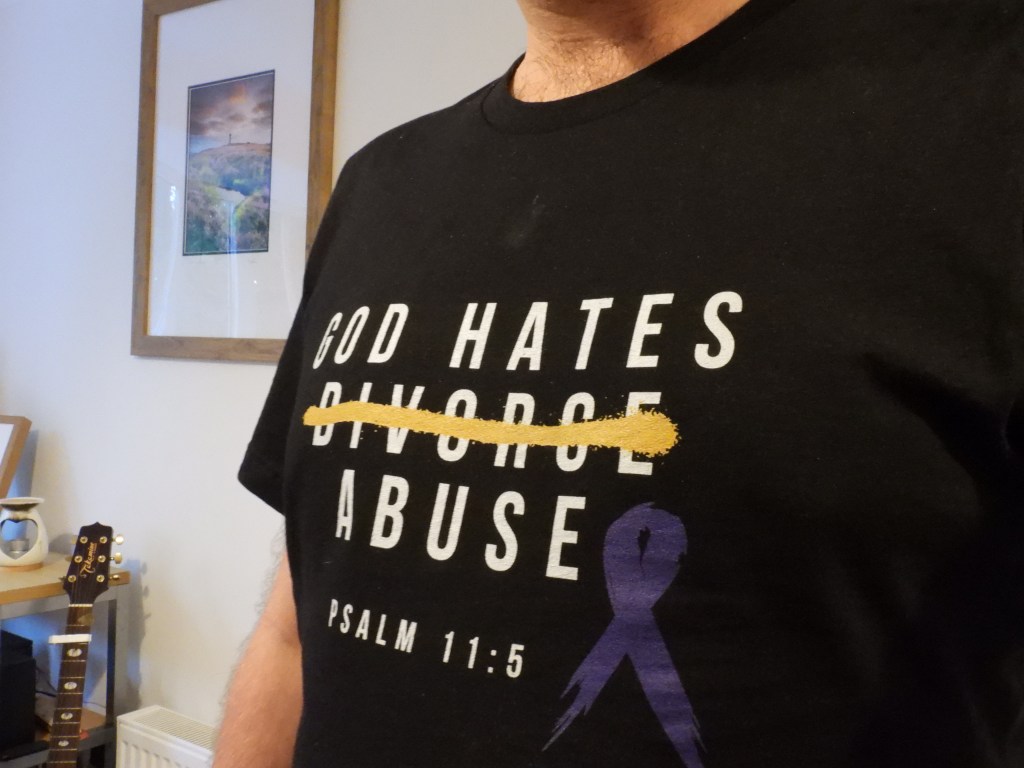
Theres a weird dynamic that I had to wrestle with in talking about all of this stuff. Its knowing that as I grew up as the older child of the psychopath parents, I was the trophy child. So, when talking about what I needed to do to survive as a child, and adult, I am aware that the scapegoat child, my younger sister, got it far worse. I know that, she knows that, we talk, we’re doing ok, better than we have ever done.
In my head I know that as I was lied to, we were both lied to. As I was subject to emotional abuse, so was she. Its weird, as in a way having an awareness that ‘someone else’ had it worse, can make it feel like I dont have as much to tell, or that the abuse I suffered wasn’t as much..
At least you didnt have it as bad as your sister
And while this is more than likely true. In fact it is definitely true.
My story is that even as the so called trophy child I was subject to emotional abuse. It didnt alleviate any of it. It was different.
The fact they said they treated us both the same, is true, neither of us received any emotional nurturing, both of received fair doses of fear, guilt, and plenty of opportunities to walk on eggshells around the emotional scatter gun that was the psychopath parent.
We were both alone, growing up, thats how they played us.
Being the trophy child, as I recollected to my therapist, was like doing all the work, with no pay.

Massive high expectations.
Always counted on to do the right thing.
I learned to ignore what I wanted to do, at times, because surviving meant staying as the trophy child.
Intense guilt, or projected fear about ‘letting them down’ or knowing that I was near to eggshells territory if I did.
As the trophy child, I had the ‘opportunity’ for me to fulfil the parts of them they lacked.
The opportunity that they would ‘take’ the glory for whatever it was that I might have done. Receiving what they felt that they were entitled to receive, not what they actually did to support and encourage. It was all work that I did alone.
Being the trophy child is like all work and no pay. And I dont mean in monetary terms, though that would be another story, the manipulative gifts.
Being the trophy child did mean that I escaped some of the more damaging abuse. I so get that. Thats why’s I am at times conflicted sharing my story.
Because I was relatively self directed, competent and didnt need them, (the internaliser) , I was relatively low maintenance, especially as I was compliant and generally behaved.
Not that this was ever noticed. Because, part of my parents nature, especially as victims in the Darvo cycle, is to regurgitate tales of how difficult I was, how awkward I was, how much stress I gave them, especially the times when I didnt actually do the things they wanted me to do.
Part of surviving psychopathic parenting is that I developed the ‘role self’ from the parents, in which I was able to navigate through it, knowing that it wasn’t really truly me, and also that its very difficult to see it at the time.
Surviving psychopathic parenting is knowing that these people who call themselves your parents are never going to see you. It’s just not in their nature, and what they do see, they want to take it for themselves. So, as the trophy child it was all about having ‘hope and expectation’ placed on me, so that I would be the bearer of their happiness and joy.
Obvious favouritism isnt a sign of close relationship, its a sign of enmeshment
Gibson, Lindsay C, 2016
What I know now is that none of that would have mattered. I could have got a Phd at Cambridge at aged 26 and that would not have made a single difference. Because emotionally unhealthy, psychopathic parents can not actually be happy. Because then the world can stop revolving around them, there is a chink in their armour.
I probably haven’t covered all of what its like being the trophy child to psychopathic parents. More will come I am sure.
Just because you’re the trophy child, it just meant that the emotional abuse was different. It wasn’t more or less, after all it isn’t a competition. Psychopathic abuse is just directed differently.
In idealised enmeshment, the parent indulges a favourite child as though that child is more important and deserving than other kids. However this traps the idealised favourite child in an ironclad role, so that child isnt experiencing an true emotional intimacy either
Gibson, 2016
Whats interesting about this is that though this sounds like the idealised child is actually spoilt. In my case, they did everything but, and went out of their way not to. As I said, all work and no pay. I survived, my story, is about surviving alone, and digging deep into my own, emotional, physical, intellectual resources. That was the only way to survive.