Blog

  • Loving ourselves through Healing

    Loving ourselves through Healing

    Be kind on Yourself

    Just be kind

    Soothe with warmth

    Be kind

    Be kind on yourself- when your mind is so focussed on the big things – you will put the recycling bags in the fridge or forget where you put your keys. Its what happens. We all do it. Be kind

    Be kind on yourself when you look past and see what you had to do when you were surviving, yes you got into a difficult relationship or made a weird job choice, but its ok, be kind, maybe even feel thankful for what was learned

    Be kind on yourself for turning up every day, for putting the effort in, to take responsibility, to give of yourself, say something kind about the effort you put in, be kind, be a coach and friend to yourself. Theres enough critics already.

    Be kind on yourself for reacting when you were tired, for falling into an old trap or default. Healing wasn’t going to be perfect, linear, easy. You started, learn, feel, recover, you were tired, give yourself a break. You can recover, its not square one..its the next step.

    Be kind to yourself when you speak to yourself. That critical voice is what’s stopping you from being closer to you.

    Put your hand onto your heart and say…I love you…

    Be kind on yourself.

    Stop pushing yourself, to an exhaustion you might not recover from next time

    Be kind

    on yourself

    Start to have words with the inner critic. Being kind to yourself, might mean being firm. Being angry. To make it disappear. To take power over it.

    Tell it to get lost. Tell it where it needs to go.

    Listen to a different voice. It does exist.

    Nurture yourself, don’t criticise yourself.

    Each hour, each day.

    Speak kind words.

    You did ok today

    You did more than ok

    You are ok as you are

    More than ok

    Because.

    You are enough

    You have a right to be kind on yourself

    You can play, dance and be silly

    You can

    Be kind, listen to your heart. Stop. Breathe. Be the you from your heart.

    Be kind on yourself.

    Love yourself despite your imperfections

    Do you not feel compassion for yourself as you struggle through life?

    You are so eager to help your friends, but you treat yourself so poorly

    Stroke your heart once in a while and say

    I

    Love

    You

    Haemin Sunim, 2012, The Things you can see, Only when you slow down.

    Nurturing is how we empower and energise ourselves. When we love, accept and nurture ourselves, we can relax enough to do our best. A bonus is, when we love, accept and nurture ourselves, we’re able to do the same for others..Loving and accepting ourselves unconditionally doesn’t mean we negate our need to change and grow..Its how we enable ourselves to love and grow

    Melody Beattie, 1989 , Beyond Codependancy,
  • Surviving Psychopathic Parenting (Part 18) Terrified by breakfast table Jesus.

    Surviving Psychopathic Parenting (Part 18) Terrified by breakfast table Jesus.

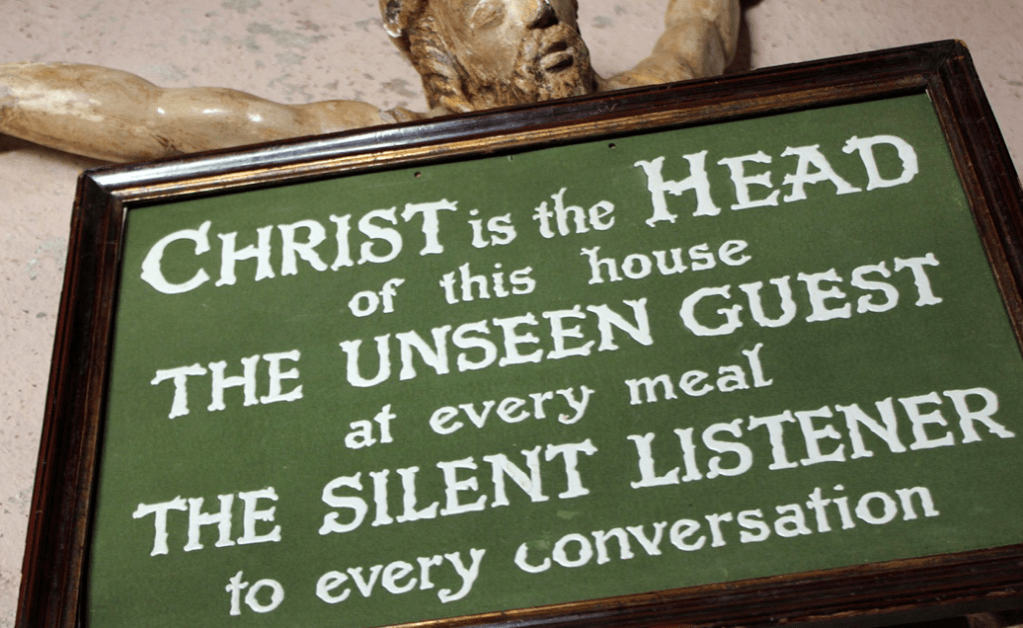
    Christ is the Head of this house

    So far, in parts 1-17 of my story of what I needed to do to survive psychopathic parenting, I have talked alot about emotional abuse, emotional neglect, narcissism and the drama triangle, and the eggshells that had top be continually walked upon. I haven’t really talked about the spiritual weaponising that associated all of this as I grew up.

    At the same time as all of the events I have described went on, it was all occurring in a ‘home’ that outwardly professed to be a ‘Christian’ one. So much so, that for most times in my life I would have said ‘I grew up in a Christian home’ . Now id say I grew up in an abusive home and my parents also had an evangelical faith.

    What did this mean?

    It meant that I grew up with a distorted sense of God.

    ‘Family’ mealtimes of course included ‘saying grace’ – but also this ritual meant having to be ‘serious’ and ‘saying grace properly’ – and at times having to be thankful for food that was delivered with little care or value.

    Breakfast was accompanied by an elongated daily bible reading – usually ‘Our Daily Bread’ and lengthy prayers by the parents afterwards.

    The unseen guest

    Prayers that were often messages, sorry, prayers that were messages of morality to us as children. Im not going to say that they didnt pray for exams or issues (that they knew about) – but thats not really what I remember. This time was enforced on me (us as it included may sister too) , it was as important as the eating part.

    It enforced daily that God was on their side. It enforced daily a time that they projected outwards to keep casting moral messages to us as children. They knew God, God was on their side. God was a weapon they used to control our behaviour.

    The Silent listener

    ‘We pray that we (though looking at me) dont behave like the older child when the prodigal returned (on the brief occasion my sister started going to church)’

    ‘We pray that the lost are returned, and you accept us when we return (looking at my sister who had stopped going to church)’

    There were many that were worse than this.

    Im not sure that the writers of ‘Our Daily Bread’ had this in mind, when they ensured that evangelical parents were starting every day with this, and reading it publically in front of their children as a control, a weapon.

    Christ is the Head of this House

    The Unseen guest at every meal

    The Silent listener of every conversation

    Was hung bold and in a red (not green) background large and proud in the dining room.

    On a blood red background.

    In a place where it had to be walked past every day to get the kitchen, or to where our shoes were kept in the back room.

    It was put there as deliberately.

    God was on their side. God was to be terrified of.

    God was watching us. (he wasnt watching them)

    In his book ‘Ghost Ship’ A.D.A France-Williams writes…

    My mum would point to this piece of terror art and use it as a motif of her and Gods total surveillance. So whatever I was getting up to at home, I was being watched

    A.D.A France-Williams (2020)

    My mum would always sit on the side of the table nearest the kitchen. That may have been one reason. The other was that it meant that, as she dominated every conversation, that picture was in view behind her head. She didnt point to it, as the author of Ghost ship described. In my case the picture was to be as feared as its message.

    God was to be terrified of. He was no help in the emotional abuse, in fact he was on their side.

    A.D.A was right though. This was terror art.

    We were being literally watched.

    From being Sunday school leaders and Primary school dinner ladies. We were being watched.

    If we didnt behave in church that morning, or in Sunday school, there were repercussions afterwards.

    They were watching, God was watching. God was to be terrified of, because she was to be terrified of. The God who was said to be about love – was delivered by the parents with bucketloads of added fear, terror and morality.

    God was abused by them.

    As an older teenager , who fearfully stayed within the box, I remember going to one of the bigger christian festivals in the mid to late 1990’s, and someone there talked about ‘Father God’ and if what we might need do ‘if people have a poor image of God because of a damaged relationship with their Dad’. Which is all perfectly legitimate. But I wonder about what space there was to talk about a damaged relationship with God, because of the way that he was presented as a child. What about the effect an abusive mother who was a powerful evangelical woman, could have on the image of a child, a teen..and me? What about, as I know now, that God the father to me was unprotective, abused and also silent?

    As she damaged the whole family, doing so claiming that God was on her side.

    Fast forward 40 odd years to me writing this now. looking back, what did I do to survive?

    I did what I had to do, and that was try not to upset or go against them, or make things difficult for them. Those eggshells to navigate on the ground were multi facetted. I conformed, out of fear. And eventually, and only because they left that church, it could become a place of safety. (Yes, they left the church, thats been a common pattern ever since)

    Its no wonder I grew up with a large dose of evangelical fear and self loathing . I internalised all of that fear, guilt, shame. I hid myself, disconnected, and ultimately ran away as far, geographically as I could.

    Before then though, I had started to re think God. I felt home, and also something of a different God in places where I felt safe. However, I, took on the same devout faith as them, usually not because I wanted to, but because I thought it was make them proud or pleased of me. An impossible task, as I have realised now. Its what abuse does to you, you keep going back for more beatings even if you’re carrying a bunch of flowers, flowers you think they will like.

    I did discover that God was and is love. Though removing the shed skin of being traumatically terrified of God can be hard to shift.

    Im working on what faith is, beyond trauma, in the midst of reconnecting with myself all the time. Im learned that I dont have to keep going back to God with flowers to show my efforts. I can do what was always words sung, I can ‘be still’. Be still and know. As I’m learning to know myself, and to be myself, im discovering faith new again.
  • Healing started with me…

    I was ok

    It’ll be ok

    Ive always survived

    Ill get through this

    Another thing to get through

    Im ok

    But I wasnt

    I was hiding

    I was pretending to say things were ok

    Whilst parts of me were screaming

    and wanting me to face them

    But ill keep running

    or saying things will be fine

    or denying

    pretending

    making myself look as if im ok

    My red flags.

    My codependancy

    My trauma response

    My fear

    My hiding

    Running

    That monster is too difficult

    Its too big

    I don’t want to face it

    Id rather avoid

    run

    I had to change

    I had to face the reality

    I had to

    I

    Healing started with me

    not trying to run, hide, deny

    But to say

    I need help

    I dont know what to do

    I cant do this on my own

    I dont understand

    What I relied on doesnt work here

    Healing started with me.

    My insides

    That had burned

    That I had denied

    That were screaming to get out

    But id ran from the pain

    Healing started with me

    the stuff that would mean difficult choices

    the stuff that would mean I would have to be real

    No

    Please dont make me face

    that

    stop

    rest

    Healing started with me

    Not you, not everyone else

    not trying to survive

    but realising

    that

    life

    could be different

    life was possible

    real

    feelings

    I am

    loved

    worthy

    worth the effort to be real

    Me.

    Healing started with me.

    What did I need ?

    Who arrived to heal and carry me?

    Love me.

    Heal me.

    Be actual me.

    Healing started with me.

  • The Power of Story: Healing through Harry Potter

    The Power of Story: Healing through Harry Potter

    ‘Why are you reading those, they’re just children books’

    I once said to my late friend Bex Lewis about 7 years ago, and then I sat with her and watched a scene of one of the films, one with dementors in, I think. Fast forward a few years and my daughter Anna proposed that we watch the films as part of what was a family tradition then, movie night. I think I fell asleep in some of them, maybe all.

    At the age of 43 I have just finished reading the Harry Potter books for the first time.

    It was as if I wasn’t ready to see what I needed to see in them.

    At the weekend I finished reading the last book of the Harry Potter series. Its taken me 18 months to read them all.

    On one hand Harry Potter has accompanied me through the time of the Pandemic, so far. It has also accompanied me as I have processed significant family abuse and also the death of my grandmother last year.

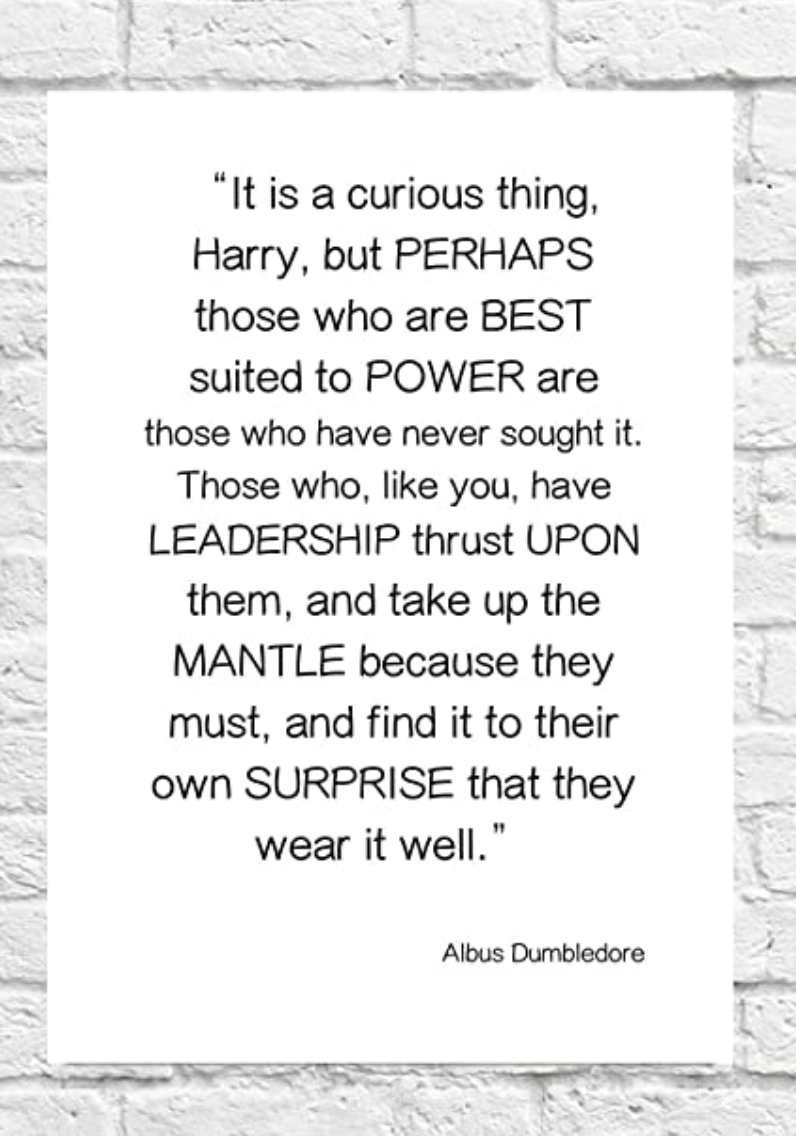
    I remember once reading that JK Rowling grew up as Harry grew and developed in her own writing of the novels, to me there is no doubt that Harry undergoes significant internal processing and healing throughout the books, in a way that I didn’t encounter in other mythical hero stories such as Lord of the Rings or Narnia.

    What I saw in Harry was a boy who struggled to express the truth in the face of his abusers – and yet when he was able to it was no relief, it was exhausting.

    What I saw in Harry was a co-dependent child who suffered physical and neglectful abuse – who was desperate to please, and had instincts to be the hero – a default that those who were evil could manipulate.

    What I saw in Harry was that not everyone experiences Trauma the same, I think the Boggarts in the wardrobe is a fascinating section.

    What I saw in Harry was someone who understood what it was like to grow up alone, and to have to grow up fast in that space.

    What I saw in Harry Potter was also stuff about friendship, power, structures, rules and community.

    So it isn’t ‘just’ a children book – but you all knew this already.

    Its a myth, a parable, a story, its a healing story that I believe could only be written by someone who had experience of abuse, from family, and relationships, someone who describes what narcissistic behaviour looks, and feels like

    The air felt cold and lifeless, as if it had everything sucked out of it

    I thought reading Harry Potter would be the relaxing read to partner with reading the self help books and undergoing trauma therapy. What it was actually was, was a story that revealed what I needed to heal from.

    Maybe its me and that I struggle to stop thinking – or maybe its that I identified with Harry from virtually the first page. It wasnt far into the second book when the extent of the emotional neglect I experienced as a child was beginning to be revealed to me. I could see myself as Harry in a way that I had never identified with the Hobbits, or Edward or Peter as they looked in the wardrobe.

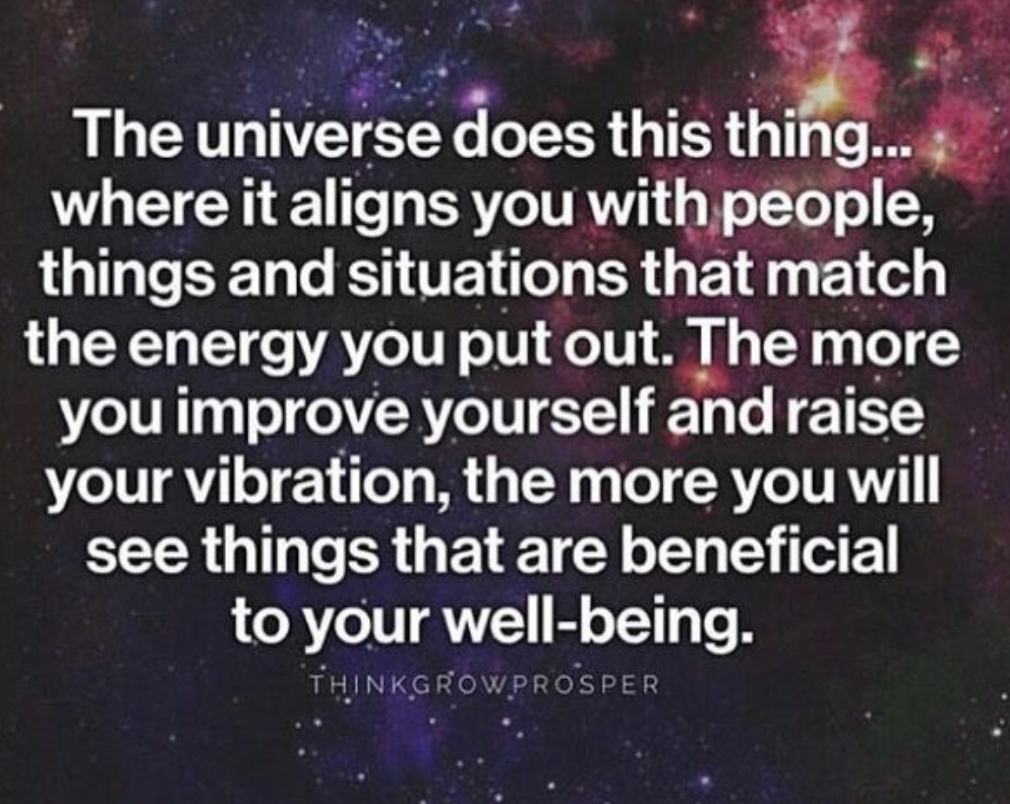
    I wrote in a previous pieces about how I began to feel that the universe was calling and directing the process of healing in me, especially in being open to see them, some of those healing particles were discovered in the Harry Potter series.

    David Macadams writes that we adopt stores to live our lives by, setting ourselves into a narrative that causes us to have purpose and identity.

    Karen Armstrong writes that we are mythical beings and that the literary writers of the last 150 years have been those who have engaged our mythical nature in a way that the religious stories of our historic past have been reduced to moral making.

    I wouldn’t say that reading Harry Potter was a healing experience, by the time I finished the last one I was drained and exhausted. But what it did do was help me see. There is great power in story, as it weaves its magic wand to reveal its mysteries.

    I was reminded about how fearful some parts of the church were/are about Harry Potter. Its unlikely that the reasons for this were from a position of having not read it. For, its not the magic that evangelicals should fear, its that churches and structures are revealed in the story to be manipulated, controlling and abusive. Its the magic that overcomes, a deeper magic. Its a book about revealing the truth, about revealing abuse.

    But its also a book that reinforces the view that children are still alone. Adults fleeting offer a combination of support (Mrs Weasley) , fun (Hagrid), wisdom (Dumbledore, and in a lesser way McConagall), paternal substitute (Sirius) , but in the face of the many struggles to overcome, none are ultimately comepletely effective, responsible, true, or fair. Maybe that is the point, maybe that’s the reality, but it does cause me to question where children and young people might find, and see models and examples of responsible, protective, emotionally healthy adults in their lives. They see glimpses of it in Harry Potter, and clues are given away by those adults to offer glimpses, but in the main the three (and the other supporting children, Ginny, Henry, George, Luna, Seamus, Neville etc) are those who have to put the complete jigsaw together, and have the agency on them to overcome. Then again, if there was such a character, there would be no need for Harry, Ron and Hermione to have to do what they had to do.

    At times reading Harry Potter I felt extraordinarily emotional. I think I cried on a number of occasions, I was also triggered at times too. All of that is a good thing. Stories have the power to reveal, and to heal.

    What fiction has done for me during the process of healing has continued to open up my heart. Thats the power of the story. I might be able to intellectually understand the abuse I suffer from reading the books and the case studies. This is undoubtedly helpful. But Stories, like Harry Potter, and also Matilda have been as instrumental too.

    References:

    Karen Armstrong: A Short History of Myth, 2018

    David MaCadams, The Stories we live by, 1996

    The Harry Potter Series, JK Rowling, Bloomsbury Books.

  • Recovering and Healing (Part 6) Being taught to say F**k

    Recovering and Healing (Part 6) Being taught to say F**k

    But its rude to say it

    Just say it

    No, it sounds wrong

    Just say it

    I can write it down

    Say it James

    You mean its ok to

    Yes, just say it James.

    It feels uncomfortable, ill get into trouble

    No you won’t, Just say it, get it out

    Why do you want me to?

    Stop delaying, just say it

    Ok……… FUCK…… (in the tiniest of calmest of maturest voices)

    YAY..well done!

    Learning to say fuck was one of my healing moments.

    Saying it, with my voice.

    Allowing the word to bubble up, and be out of my mouth before my head tried to stop it. Maybe not the first time. The first time was the excruciating torture I describe above.

    Do it, do it, do it.. Being taught to swear, was like everything I hadn’t been allowed to do since I was born. And definately something I stopped doing since I had to grow up and be the responsible one, the morally good one, the leader…

    Writing it didn’t count. Because often what I can type, is my head playing with words, its not my heart, my feelings actually making themselves felt in my body.

    Paralysed by politeness, inhibited by responsibility, fearing consequences. Thinking it was shameful.

    I was inhibited.

    Anger dormant.. (and it still is being worked on)

    Uptight

    Needing to loosen up.

    The ‘always responsible’ needing to let himself go.

    Relax.

    Saying F**K was a beginning.

    and trying not to give a F**K about it either.

    Enjoying it.

    It felt good.

    Saying it.

    Talking of inhibitions, I realised too that being the responsible one had meant I had never got drunk in my life. And especially not drank when I knew that emotionally unsafe people were drinking. Though also not because of the same reasons as above too.

    Not wanting to let myself go. Worrying about what I might find.

    Saying F**K was part of my healing process.

    I needed to say it, to bring out to the surface all the ‘F**K’s I had held in, all there built up rage, anger, frustration, hurt, pain inside.

    Sometimes F**K is completely and utterly appropriate. Because it described how you feel when you have been treated appallingly and abusively.

    It may not be the ‘release’ for you that it was for me, it may be something else.

    Maybe its to do something spontaneous, fun, silly, and let yourself go. Maybe we all need to do a lot more of that anyway.

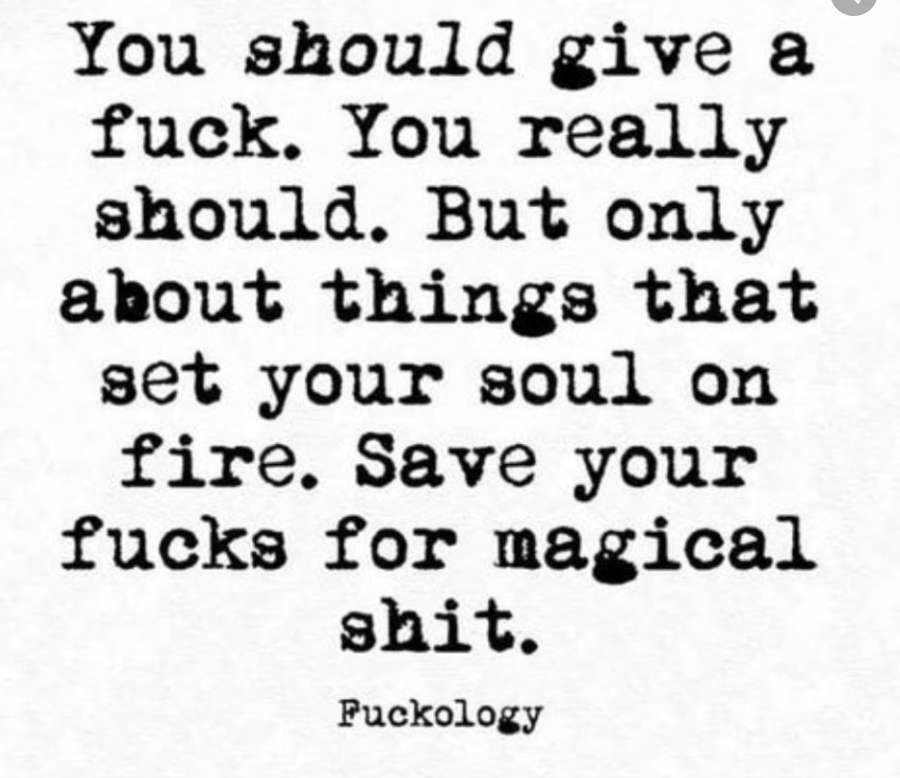
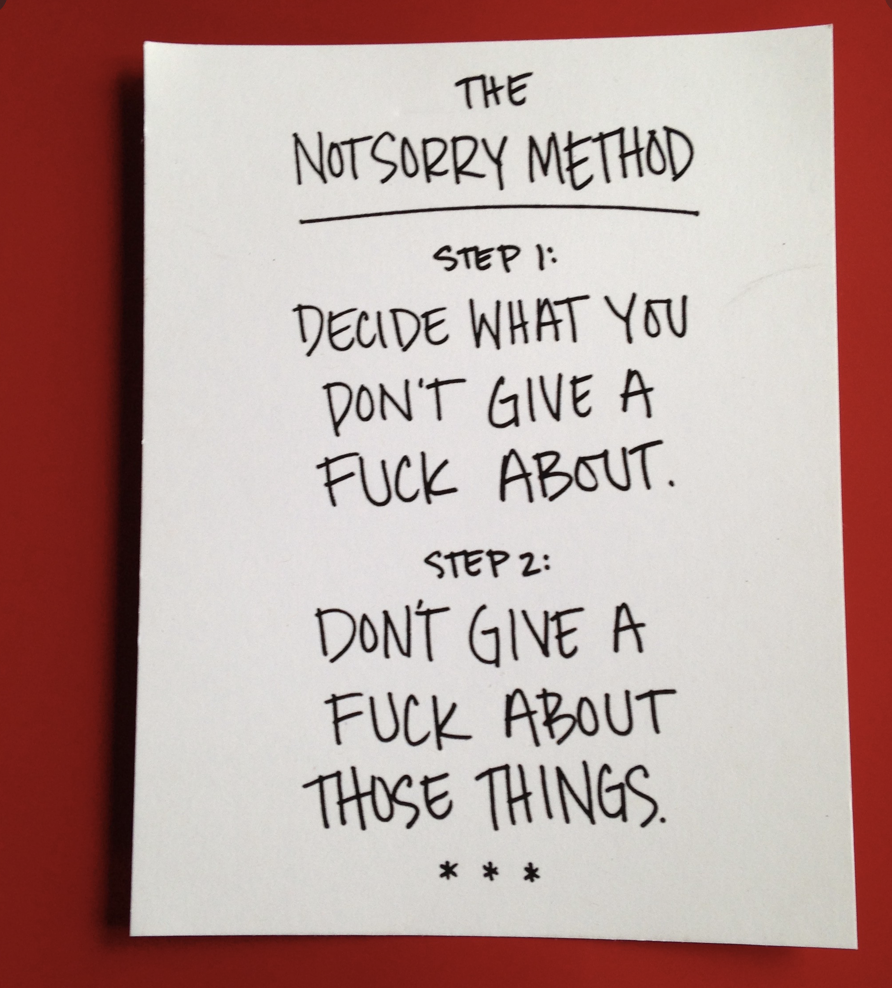
    The problem for many is that we care too much about others, and too little about ourselves. We give too many F**Ks and care too much about stuff that shouldn’t feature (and books like this help, on prioritising where to, and where not to give a ‘F’ about)

    Part of my healing and recovery in those first few months was actually trying to toughen up a bit. To care less. To worry about others less. To give more of a F about myself.

    Learning to say Fuck was part of that process.

  • Recovering and Healing (Part 5) Taking Power back

    Recovering and Healing (Part 5) Taking Power back

    It was a dark January Evening, I was staying at my friends house, and a month into starting a new job, I was about to attend in person training (its funny, ‘training’ was just ‘training’ in Jan 2019) , with Citizens UK, and their ‘branch, in Tyne and Wear.

    I’ll come back to that in a second.

    Powerlessness wasn’t something I thought I was. But what I had consciously and subconsciously adopted in most of my life was a combination of the following, as a youth worker

    • Siding and empathising with the oppressed
    • Thinking that being a youthworker was also a place of oppression

    A lecturer of mine once said to me that I had assumed the position of thinking that youthworkers were also oppressed.

    What I was doing was assuming myself into those places. Assuming the victim.

    What I was also doing was assuming powerlessness

    ‘I cant do that’

    ‘I cannot change that’

    ‘This will never happen’

    What I did, as a youthworker, and as a person was become wholly reactive. I didnt want to, or maybe more so, I feared a position of power.

    That was a position abusive people took.

    I didnt want to be like the powerful people who had abused me.

    Even though I had responsibility placed upon me. Rarely, if ever, did I seek to assert power within these spaces. It was a position to develop others, that ’empowerment’ thing.

    So I knew about power. Or so I thought. I even wrote about it in a few of my MA essays.

    Know about it, but don’t take any. Assume powerlessness. That was the right thing to do right? Thats what Jesus did..wasnt it?

    Back to the story above. I was about to see things differently. And at that time, in January 2019 I needed to.

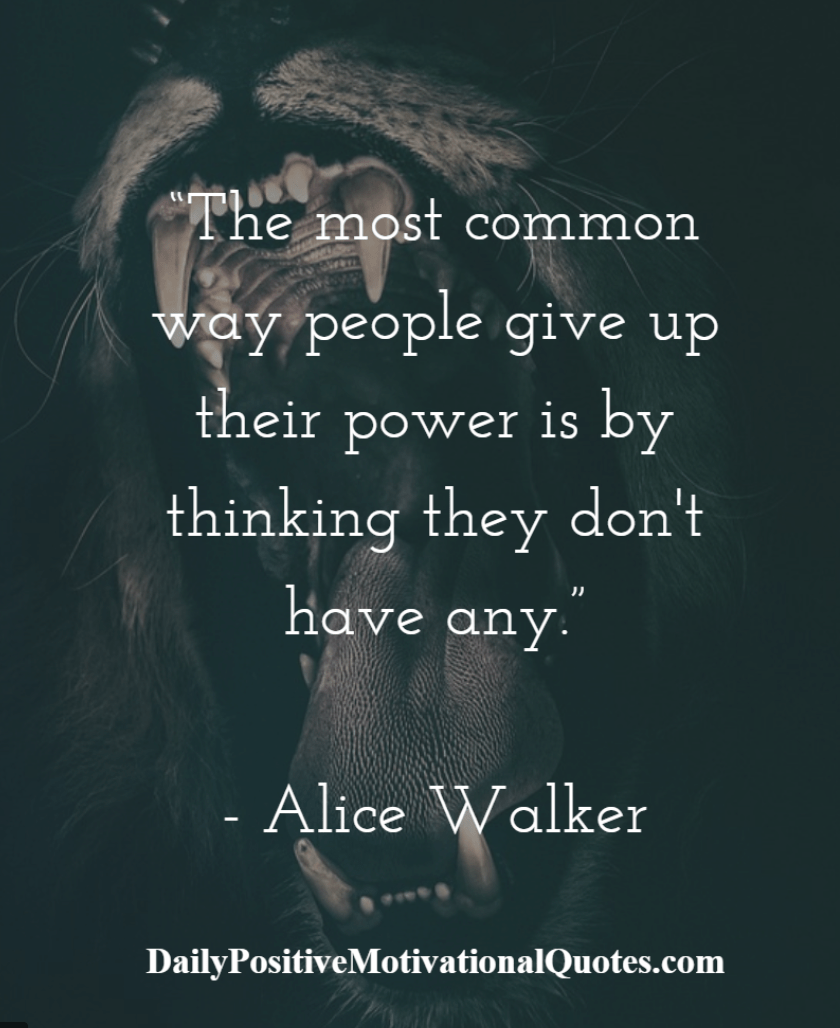
    I needed to see power as something healthy. I needed to see that I could take power, I needed to begin to take more power in my own life.

    So much confusion around my life, at the time, and a journey on Sunderlands public bus/metro system in the rain to ponder my lifes choices ahead. And training that I didnt want to like. But it was something I needed.

    I needed to indwell having healthy power. Of feeling that I can make decisions.

    That I didnt need to give myself away. That I didnt need to react.

    It was unhealthy to see myself as powerless. That there was nothing I could do. That was part of the breaking down the summer before. Despondent confusion and feeling like there was no way out.

    In a way, the lesson I was receiving on Power was from an unlikely source. But then again. Un likely sources sometime showed me that the universe was in a conspiracy to wake me, teach me, push me, and hold me. I was soaking up and learning something new. My mind was being changed.

    That ‘mind’ that over thought and over worried, that ‘mind’ that had been on overdrive since it was 11.

    I was being educatied by community organisers, how to get my own power back. Giving myself permission to think of myself as having power.

    Yet, in some ways I had started. But this was another one of the many pushes in the same direction.

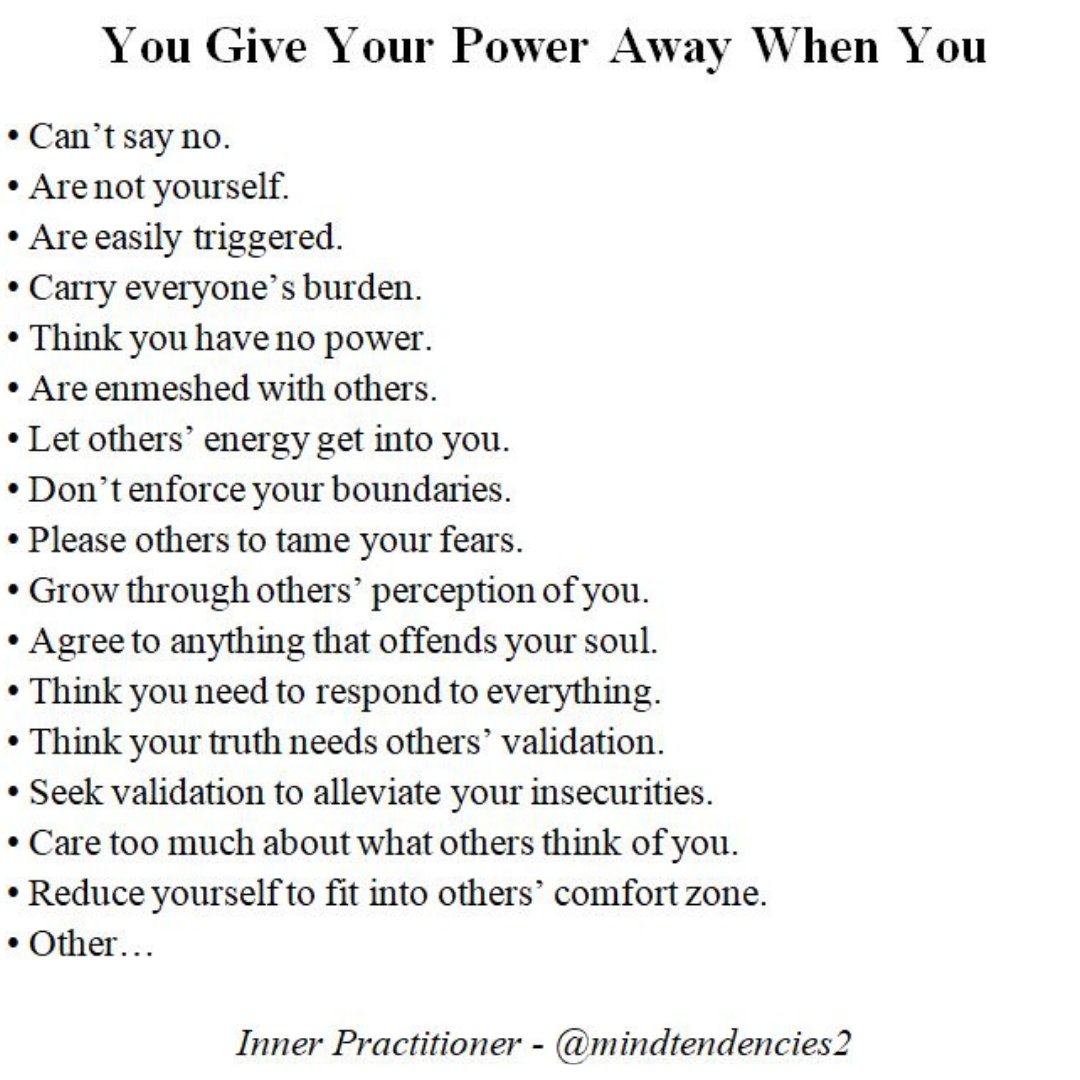
    This from ‘Inner Practitioner’ on Twitter summed up much of my relationship with power.

    Things start to happen when you start taking power.

    Those around me who were used to me acting in one way, were reacting, revealing themselves, to me acting differently.

    When I changed. I couldn’t be controlled the same

    Small steps of starting to take power.

    I started to fear less their reaction, even if it had been demonstrative before, and I had been scared.

    I begin to not let the control freak have control. I could choose.

    Learning about power, learning to take power. Learning to stop, wait, and pause – even in the midst of emotional abuse – were small, beginning examples of taking power.

    If you have a read of my Survivor story (link here) you will understand how my childhood revolved around staying small and assuming powerlessness. Fearing power was like fearing becoming like the person who dominated and abused me.

    Taking power, starting to assume having some, starting to think of myself in a healthier respectful way, was one of the many aspects of my healing and recovery journey. On yours where are some of the surprising lessons coming from that you are needing to hear?

    Maybe it really is a conspiracy when the universe starts interfering in all the ways, in working you towards wholeness. Maybe its that true power being awoken from within.

  • Recovering and Healing (Part 4) Healing the Toxic time

    Recovering and Healing (Part 4) Healing the Toxic time

    Time is something Abusers like to control

    It’s also something that exists in a weird dynamic for them.

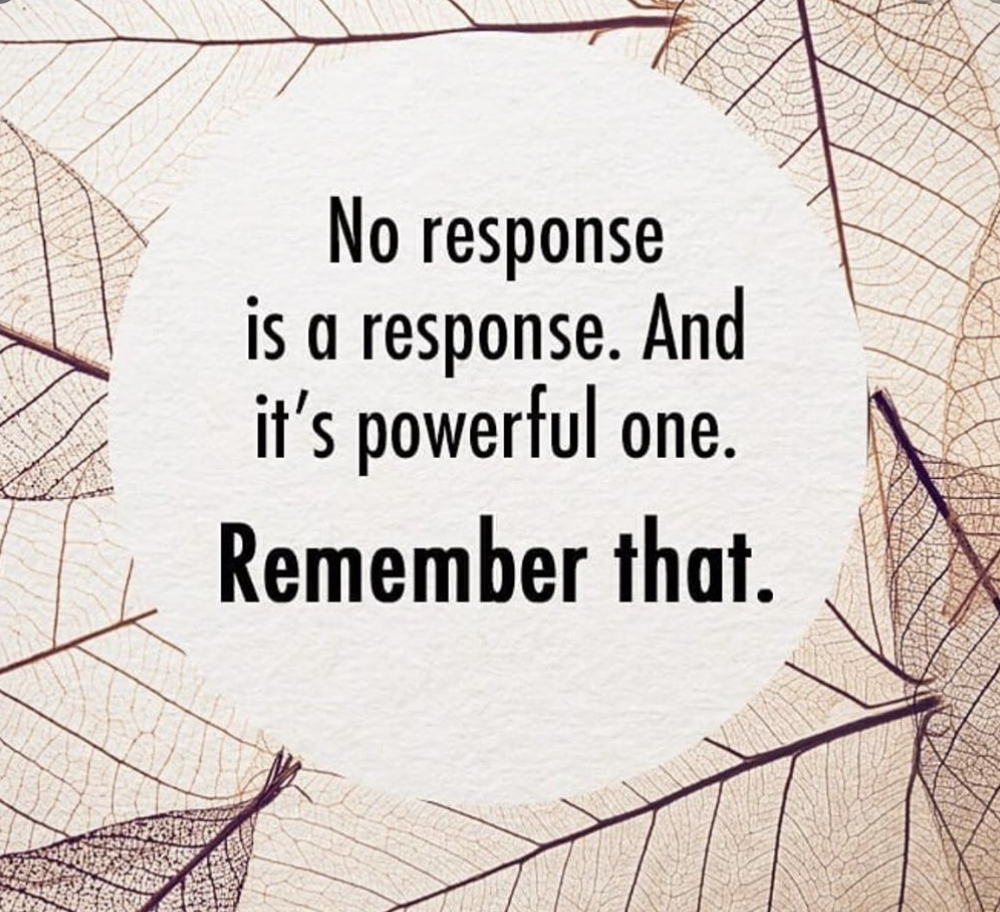
    When you dont reply to them, or include them

    they say

    How dare you not reply to my message!

    Or, maybe less abruptly

    Did you get my message, I expected a reply by now

    Often they want a response.

    Part of my healing was realising I didnt have to respond.

    Part of my healing and recovery was slowing down a response

    Slowing down.

    Then realising, that the communication was more important than the response.

    They often want the dialogue to keep going, not just the answer.

    A quick answer, I had to learn, was one that was reactionary.

    A slow answer revealed actually what they wanted.

    They wanted to control time.

    They expected an immediate response

    If I say something… you will do this straight away.

    I expect you to jump when I ask

    Is it important to respond straight away? Really?

    What kind of response am I giving if I give it straight away?

    if you’re in the role of rescuer – do you need to rescue- shouldn’t that person rescue themselves?

    If you haven’t read it yet, this is what Voldemort uses to manipulate Harry in The Order of the Pheonix; Being the hero without stopping to work out what was going on, Harry could be manipulated with a strong sense of rescue.

    What if youre naturally empathetic, and let’s face it, most of us generally are, is that the best default to respond out of?

    When our abuser makes demands of our time… what tactics do they use to make us ‘jump’? – and what might we need to work on to reduce feeling fear, shame or guilt for not doing so.

    Some requests do not require an answer.

    because I didnt hear back from you, I did it myself

    Oh good, but now please dont make me feel guilty for it.

    Lindsay Gibson writes:

    Emotionally immature people Exaggerate everything. Every frustration is the end of the world. They are the boy who cried wolf ; you dont know whether to believe them or not. That is why it is so important not to accept their completely self-focussed view of their situation. It is up to you to clarify the reality of things

    Lindsay C Gibson, 2019

    In their mind, the only answer is that someone save or rescue them.

    When you start feeling compelled by duty or obligation, ask yourself who’s suggesting that and why

    Gibson, 2019

    Theres something else to do with Time that I had to learn with abusive people.

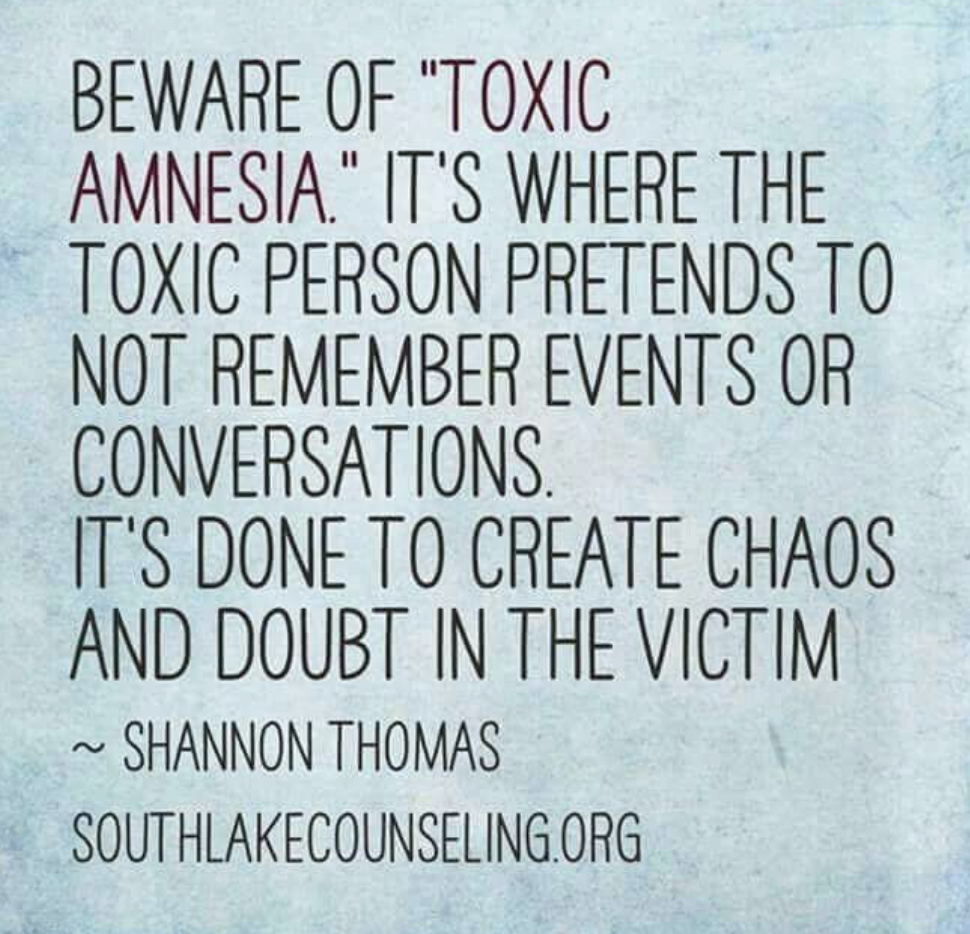
    They have a weird sense of it. Its a kind of selective toxic amnesia.

    They dont store or remember any of the abuse they doled out to you, yet, they do remember the few times that you were critical or questioning back.

    Its as if, with no empathy, every moment is lived in the strategic present to them, a present in which they just try and get what they want or need – without remembering or dealing with any of the reality as to why its not liked, possible, considerate, respectful, decent or dignified.

    Its the over realised entitlement, that knows that it can get, and can weasel its way out of keeping any of the rules that do or don’t exist to prevent or be abhorred by it. (its like doing a ‘Cummings’)

    Instead of analysing their mistakes, they think ‘that was then, this is now’. They are famous for moving on and ‘getting over it’ and other forms of not processing lessons from the past. They dont notice when they are repeating past mistakes, nor can they steer themselves to a better future. The future isnt a real consideration for them, so they feel free to deceive others, burn bridges or create enemies. They concoct something that gets them off the hook but don’t realise others will be suspicious due to their past lives

    Gibson, 2019

    There is no recollection of previous occurrences, no sense that time is a coherent continual ongoing concept – its just what they want now.

    So, learning and recovering from abusive situations, for me is about developing a different understanding of time.

    Its also about realising that an understanding of time in which there is an acceptance – not a denial- of reality.

    When we say no, or not yet, or no response to the emotionally abusive – it reveals them. Their desire to control, their entitlement, their feelings of power.

    Yet, healing and recovering meant realising that I am important. That I am only going to respond when it is respectful. That I dont need to. That I am worth more than being someone elses rescue mission. That I am not responsible.

    Time is power – for you

    Time is power – for them too – so be aware, and realise the emotional amnesia that goes on with the emotional immature.

    You are unlikely to be the crazy one, if you’re constantly bewildered by that weird time thing.

  • Recovering and Healing (Part 3) Discovering the real me

    Recovering and Healing (Part 3) Discovering the real me

    As well as the space to discover what was good for me, to see the situation pdf my marriage, and childhood, in a new light, and to get therapy to help me with tools, part of my recovery and healing involved me discovering who I am.

    Until then I had in the past done the odd personality test, but had done my best to invalidate it in my mind, filling in the answers I wanted to, dismissing the enneagram in college 12 years ago as ‘weird’ and not important compared to ‘real’ stuff in youth work..like theory.

    In the space of safety, part of my healing and recovery meant starting the process of who I am.

    Up until then ask me and I wouldn’t have known, ‘I dunno’, I think im ok, I think ill be ok, I think im good at a few things. I might have gone as far to say that I was a person of faith, but it all felt flimsy, loose, uncertain, unconvincing. So ill say that not knowing who I was, not knowing my real self and me, was part of how I ended up in situations. Drifting? Probably, taken advantage of? Yes..and not knowing who I was, meant I had nothing to protect or stand up for. You cant defend a castle if its made of water.

    18 months prior to actually accepting it, one of my friends had already mentioned me being an introvert when they saw me present my Thesis findings at this event but like everything else, I ignored, dismissed it, was almost scared of it. Scared of Discovering myself.

    That same friend reminded me of this, in the same month I started my first season of Therapy, and so, the second book I read after this one, was Quiet by Susan Cain.

    It was like a breath of fresh air on so many levels.

    Stopping to discover who I am. And know that it was ok.

    This isn’t a piece about introvert/extrovert thinking, it is instead about the process of discovering who I am as part of my healing.

    Who I am, not just how I am in relation to other people

    Who I am, not just what I do

    Who I am, in terms of the detail of my inner, real self.

    Who I am – and what I can start to defend.

    Putting off learning about myself was now out of the question. A breakdown was the opportunity to painfully discover the hidden treasure of myself. I couldn’t love myself if I didnt know myself.

    It began with accepting my introvert side, as I was lapping up self discovery like a drug.

    I say to any men reading this, or anyone, its not too late, its not too early to discover the real you. What you may have hidden for so long will make its way known in actions, behaviours and reactions. You are more valuable than you think, and the process and journey is so worth it. You may have already started this, and so my deepest encouragement to you as this continues in your life. The best person you can be for yourself and others, is the one that accepts, knows and understands itself.

    Discovering my introvert side was just the start, but Im glad it was a start.

    Starting to accept, not run from discovering who I am, realising how important it was…realising how important I am.

    The next chapter of my life, was about to me made with me knowing myself, for who I am.

  • Surviving Psychopathic Parenting (Part 17) Suppressing the spoiled brat

    Surviving Psychopathic Parenting (Part 17) Suppressing the spoiled brat

    I want, doesn’t get

    I had to get that spoiled child out of you

    Its not ‘I want’ its ‘I would like’ or ‘Please may I have’

    Said my parents on a regular basis, for most of my early childhood.

    I was a spoiled toddler, thats what I was told.

    A couple of my previous posts refer to how I hid or suppressed my anger as a child to survive with the parents I had.

    Which I undoubtedly did.

    But im beginning to realise that it was much more subtle that just suppressing anger, which was inevitable as there was no space to be emotional, to have needs, let alone wants, when it was about emotional eggshell navigation.

    It wasnt just anger I hid away.

    It was the bit of me that made demands of people, the bit of me that stomped, or screamed, the bit of me that made a mess, for others to clear up, the bit of me that hollered until it got what it wanted.

    In short, it wasnt just that I suppressed anger.

    I suppressed the ‘spoilt child’ / ‘inner brat’ part of me

    The bit of me that says ‘I want’

    The bit of me that says ‘I dont want’

    The bit that shoves and pushes to get its own way.

    Because ‘I want’ doesnt get – and ‘please may I have’ is far too much effort to stay, and Im not doing that. I want doesnt get.

    Dont be demanding. Dont have demands

    Dont ‘want’ – thats selfish

    I have an ‘under realised inner brat.’

    Maybe its about politeness, but not being able to want, (only able to ‘need’ that encouraged codependency around emotionally immature parent, and reinforced my codependent/false self)

    Not having wants meant , not knowing what I wanted.

    Not wanting what I wanted to do in my life

    I want doesnt get – so why want for anything?

    Why want for degree, career, choice- why want?

    An inner spoiled child, or brat, that could make demands, ‘I dont want’/ ‘I do want’ might be able to make decisions, set boundaries, protect, raise an alarm.

    An under realised ‘selfishness’ that doesnt know what it wants.

    And struggled to even know what it needs.

    An under realised ‘selfish brat’ shut down in ‘becoming responsible’ , codependent, caring self – clearing up the mess of others, and not demanding anything.

    If we are unaware of our bratty impulses and choose to cover them up or block them off entirely, we run the risk of making ourselves sick

    Capacchione, 1991

    But Ive also noticed something, and thanks to Lucia Cappaciones book (Recovery of your Inner child, 1991) , there are many people who it might be said have the opposite.

    Those with an over realised ‘selfish brat’ the adults who are still children. They have tantrums, denying responsibility – and who’s involvement in the world is where others revolve around their utter needs, all the time. Im thinking Boris, and Trump. Those whose over realised ‘selfish brat’ is the mess that everyone else has to clear up. They are those who scatter eggshells everywhere.

    Part of surviving Psychopathic parenting, the growing up quickly process and becoming the little adult, meant of course ‘leaving childish ways’ behind me. Yet, in subconsciously growing up, becoming self dependent, meant suppressing the ‘I want’ part of me.

    And if ‘I wanted’ id be made to feel guilty for doing so.

    I want to have a quiet birthday – I said for my 18th – but no ‘they did what they wanted’ instead.

    What might it mean to have a ‘healthier’ awareness , acknowledgment, and be able to act out the ‘inner brat’ im beginning to realise?

    I think in the last few years I have began to want, and follow through with the wants especially to take care of myself, to purchase items, to make decisions, beginning, because alot of the time I still can feel being indecisive, or delaying, or wondering what others might think. Coming to terms with ‘wanting things’ for my own sake, because I am valuable (and so are you) , has been part of my healing Journey. But I was never going to survive in such a childhood and retain that part of me. In fact, as I said above, they enjoyed the process of removing it.

    Saying I want, for my own good.

    Supressing that part of me that stood up for myself – not just others

    Made demands for something I might have wanted – that was ok to want

    Was deeply unhealthy, and culminated in so many learned behaviours that I had to adopt to survive the first years of my life.

    Survival meant suppressing it. Others needs and wants, always more important..

  • Recovering and Healing (Part 2); The book that saved my life

    Recovering and Healing (Part 2); The book that saved my life

    Ask yourself the question; ‘What book saved your life’?

    If you are in anyway spiritual, then it might be likely that a sacred text, the Bible or the Ko’ran might be the book that went some way to saving your life.

    But aside from a sacred text – can you name a book that , honestly, saved your life?

    Not just a good book, an inspiring book, a book that you’d take on a desert island.. but a book that saved your life? That had that much impact on you, that it literally saved you. Some of the stuff Matt Haig writes has had a profound impact, as has the cartoons of Charlie Mackay – but could you name a book that saved your life?

    I could.

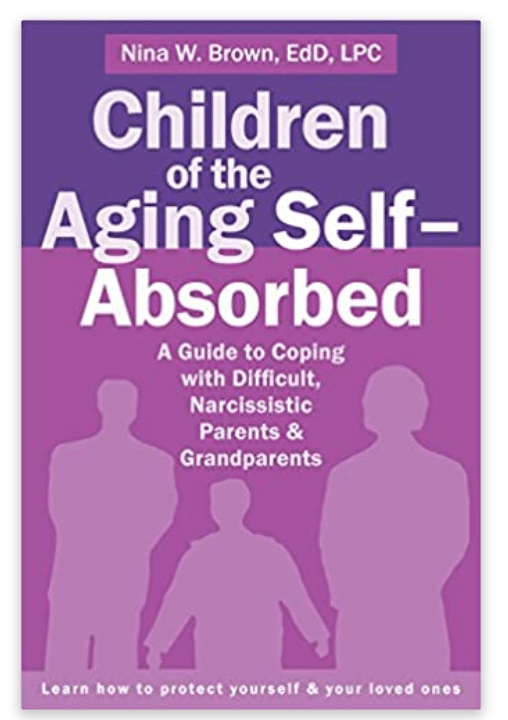
    It was the first book I read as I started to heal. It was this one

    to buy it a link is here

    From the very first page, this book spoke in a language that I hadn’t heard before.

    It told me about me.

    It told me about what I had tried to cope with all my life.

    It meant that I wasnt alone.

    Nina makes these assumptions about the reader, writing on page 3:

    You are an adult child who has one or more self-absorbed parents

    You can feel ineffective much of the time in interactions with your parents

    You have been given the responsibility for your parents psychological and emotional well being and, either now or in the future, are expected to assume responsibility for your parents physical well-being

    You never feel that you have accomplished enough for your parent; what you do never seems to be good enough

    You experience numerous difficult situations and interactions with your self absorbed parent

    You are searching for ways to minimalist how your parents distressing behaviours and attitudes affect you

    You want to intervene to protect those nearest to you, such as your children, from the negative and distressing comments, put downs, criticism and the like that your parent continues to make

    Nina Brown, 2015

    Now, im not saying that each and every one of these was applicable when I read this book over 2 years ago. Without giving anything away, some very significant things have happened to enable these things to have happened in the last year (which makes looking at this list now, quite remarkable)

    But… over 2 years ago, this book saved my life.

    It is undoubtedly, direct a book, with an amazing title, one I needed to hear.

    It showed me that there were reasons why I reacted in the way I did.

    I read it at a time to try and understand why I struggled with conflict. What I discovered was a whole lot more.

    It showed me that how ever hard I had tried, it didnt matter.

    It enabled me to see myself. It also helped me to assess how I had been treated.

    And that it wasnt my fault.

    The book has exercises (rate your parents self-absorbed nature), and gives different types of self absorption, as well as then describing the principle ways of responding (fight/flight/freeze) and offering alternatives.

    In way some of those details did and didnt matter.

    I think though the reason that this book saved me, what what it meant, for me. It meant that I wasnt alone.

    It meant that I could be healed

    It meant that I didnt have to carry a burden I had unnecessarily carried

    It meant that a journey of healing had began.

    Maybe the book that saved your life might be a different one. It’s likely to be. Maybe the first self-awareness book you read in the recovery from abuse might evoke the same feelings for you. Not only do I thank the book for what it did, but also thank the person who saw my situation and recognised the patterns and traits, and gave me the book to read.

    ‘Children of the ageing self absorbed’ by Nina Brown – The book that saved my life.