In my last piece I shared a little about how we love ourselves through healing, what it means to be kind on ourselves, as we do so, forgiving our missteps, not over dwelling on the tiny attempts to try that fail in the bigger picture of overall healing. Today I have come across this concept. Post Traumatic Growth, after reading this tweet.

The staggering thing for me is that this is only 10%.
But then again, I realise that looking back how many times in the last 10 years I ignored the warning signs. How scared I was to try and deal with things that I couldn’t describe. How I thought I could just ‘keep going’ and be ok (a trauma response in itself).
Thats me overthinking to the point where it was ‘safer’ and ‘easier’ to stay stuck, swirling in the muck of abusive relationships.
Healing is undoubtedly about growing, and changing. As you change, others around you either do, or dont, and reveal themselves through their actions (even if their words say something different).
And to anyone reading this, especially, but not exclusively men, – lets not be afraid to change, and become a better version of ourselves.
That ‘self-help’ guru that you dismissed in your criticism, that you now have to admit is right… thats ok. Humble pie is good, when it means that you are healing too.
That breakdown, that illness, that continual knowing ache… might be the sign and symptom that is trying to tell you something, that something isn’t right, and a reason to stop.
One of the key factors in helping me to grow, was that 2 of the friends who walked with me through the easiest time had also been through therapy, had also experienced what I had in different ways. They were the wise guides, showing me paths that I could take (though never forcing it).
I recognise some of myself in this article. I have been relentlessly optimistic about my own capacities since I was about 11 and a strong, if coherent, sense of self, even in the difficult times, and doing lot of practical and written tasks to keep going, though I also know that my coping styles were avoidance , not wanting to deal with things. Maybe thats a key one for us all.
Learning to turn around and face the trauma.
To name it, see it, and understand it for what it is.
To deal with the root thats been nagging away.
It was for me. Maybe it is for you.
Theres definitely no sense of ‘look at me ive made it’ as I write, dealing with trauma is an ongoing struggle, healing and recovery takes time, and requires so many new, daily moments of inner work. Its too simple to say ‘What doesnt kill you makes you stronger’, too trite. As in this piece..
But as stories and literature often reveal, it is possible not only to recover from trauma, but to actually grow from it and flourish. Suffering has long been romanticized in literature, art, and folklore as transformative and empowering. There is an element of truth to this concept. But it needs to be looked at more closely. Simply experiencing suffering and trauma does not guarantee that you will become a better, stronger person for it. This attitude is a trite and irresponsible one that men for centuries have used as an excuse to abuse their children in the name of “toughening them up.”
From Growth and Recovery through trauma in Psychology Today
Also, this isnt trying to say that ‘if you do this, X happens’ , for me the growth happened in the process and took a lot of work. It’s not a promise, but it could be a new reality. Its about how to rethink the abuse, how to put ourselves in the centre of our lives, and this takes significant effort.
Right now, approximately 50% of you who have experienced trauma are reading this and saying, “I’m supposed to be grateful for all the crud that happened to me? Each day, I struggle for even a modicum of what other people take for granted. There’s no amount of ‘growth’ that can stop me wishing this hadn’t been my life.”
Post-traumatic growth is not a given. We’re not going to gloss over the long arduous road to recovery from trauma that for the most part does not feel victorious or courageous for those who are on it. However, at least 50% of survivors have found that they can begin to define themselves and their communities by their strengths and that in no small way these strengths have been forged by adversity.
Taken from https://www.echotraining.org/the-promise-of-post-traumatic-growth-part-ii/
“Out of the hottest fire comes the strongest steel.” – Chinese proverb
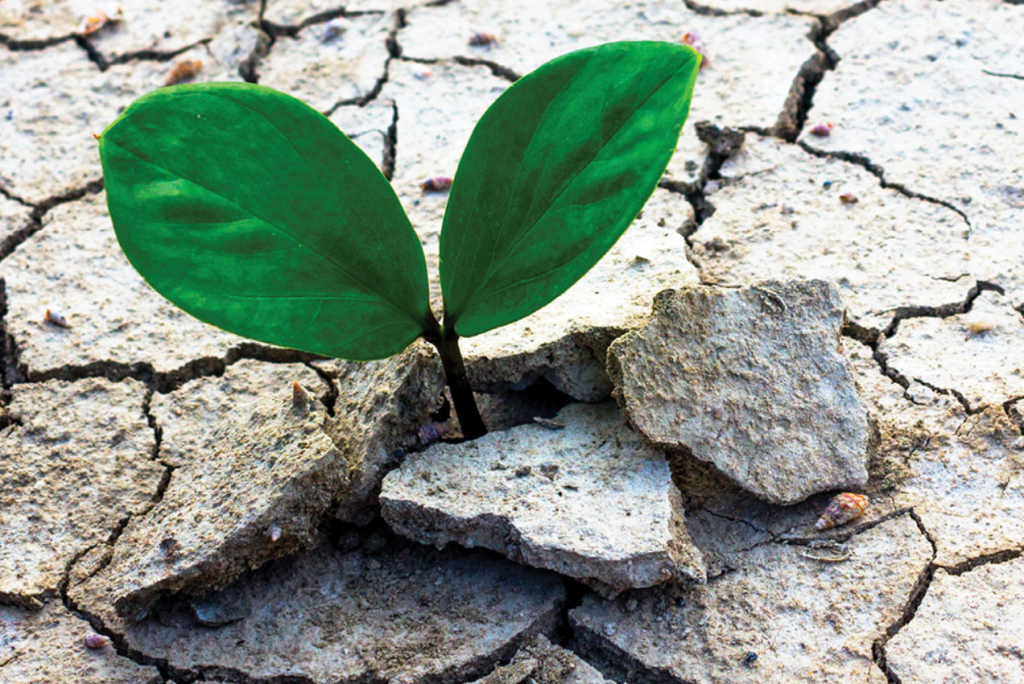
My hope is that this piece is an encouragement to you. Not a burden of expectation. My hope is that it causes you to see what can be possible, what is possible. We dont choose the trauma we have experienced, but we can start t choose how we heal from them, how we live our lives from and beyond them. In the midst of it all, tiny shoots of green start to appear. They may be tender. They may be small. But they are there.

Additionally: Since 2020 its not just a personal thing, trauma, whilst we have all experienced the effects of Covid in different ways, how we rebuild from it, healthily may have something to do with what our reactions have been during it, this piece on ‘Why PTG might be what we all need in 2021′ has some helpful insights in it.
